Tuscany — July 15, 2015

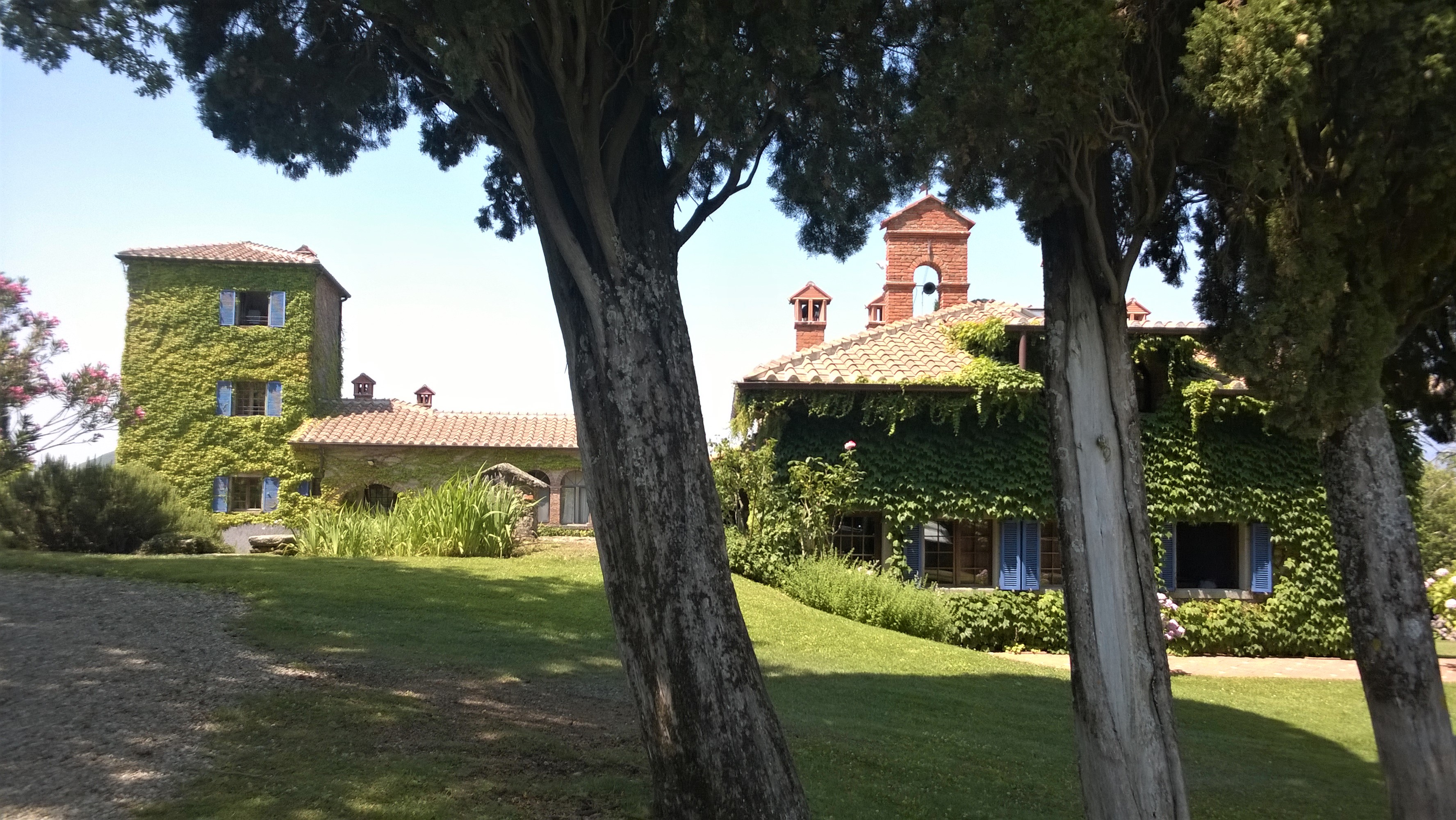
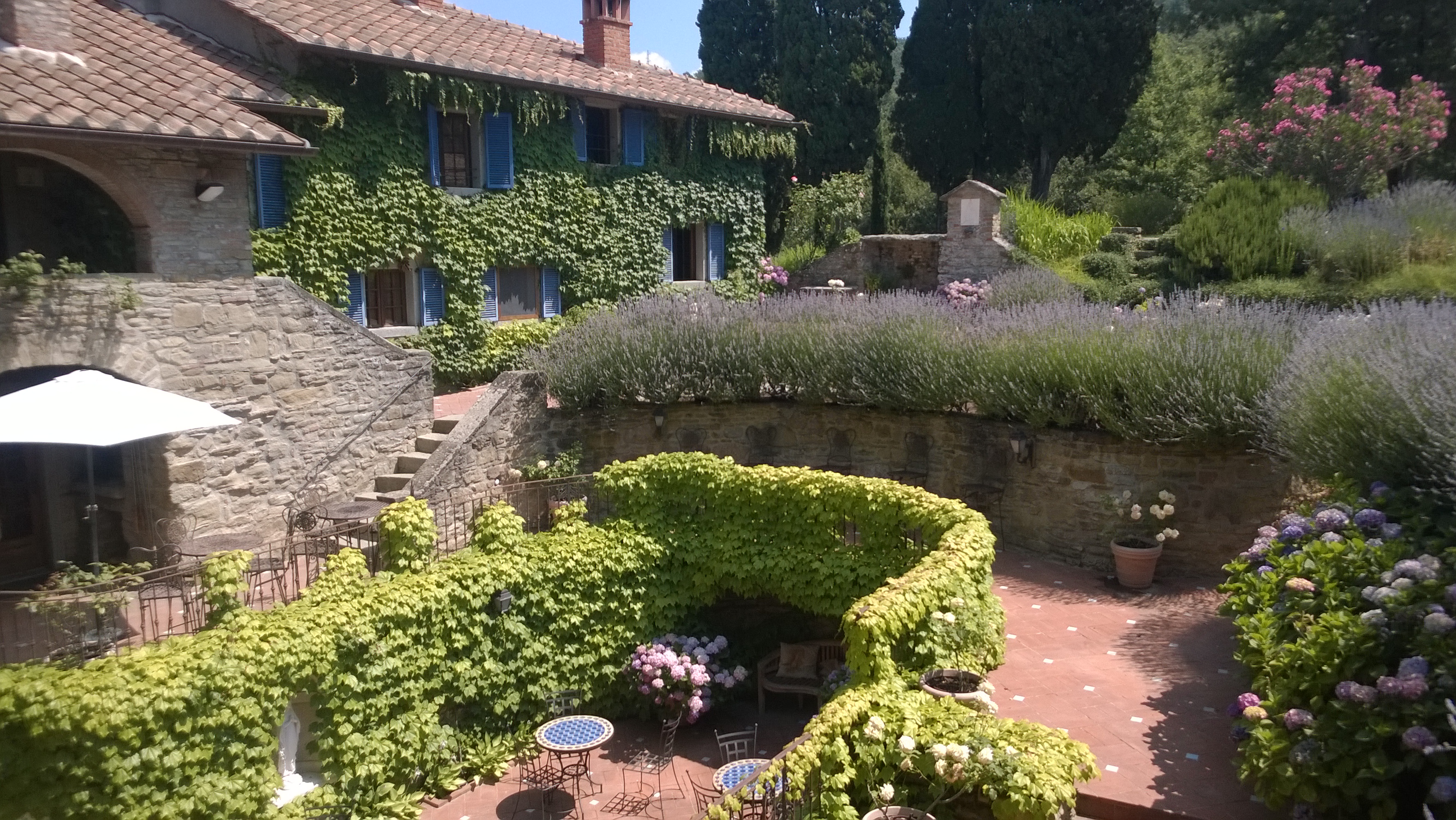
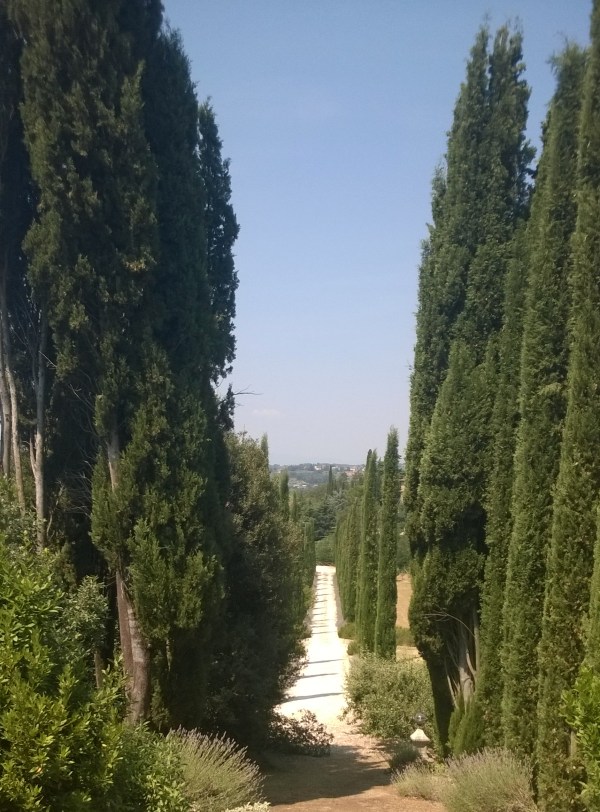
Today we visited the Villa la Ripa Winery where the “new” wing dates to 1558 while the tower (circa 1000) was built by a relative of the Medici family. Rows and rows of Sangiovese, Cabernet Sauvignon, Trebbiano, Canaiolo, Syrah, and Malvasia grapes are grown in symmetrical grids along the long drive to the Estate.

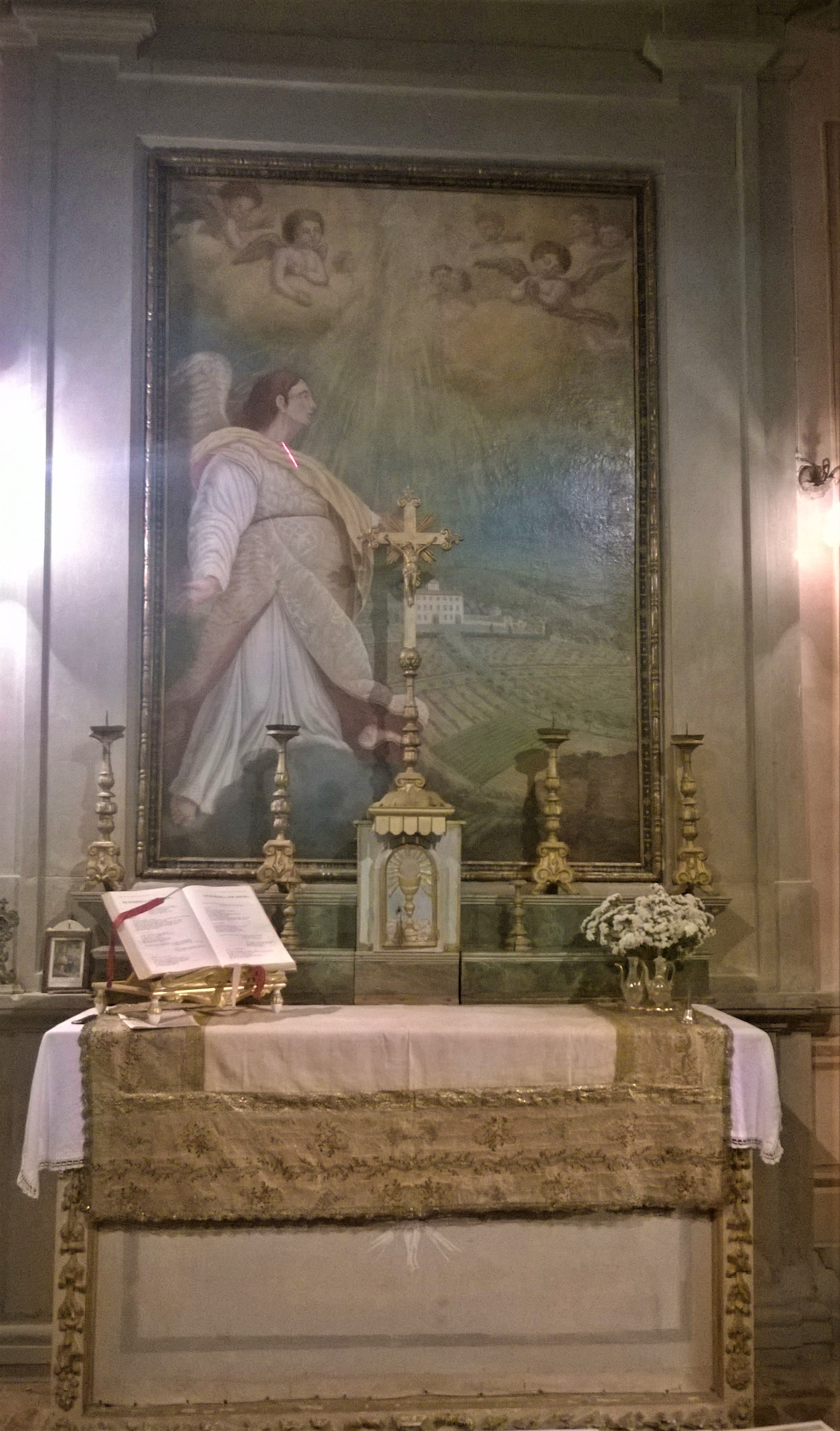
Luzzi Saverio, the delightful winemaker, is a practicing surgeon and history buff. A highlight of the tour is the villa’s chapel where a huge 16th Century painting above the altar shows angels hovering above the villa and large vineyard.

Luzzi recounts the story how this painting was hidden during World War II when Germans occupied the villa. Recently, his wife found the pastel frescoes on the walls of the chapel protected under a layer of whitewash paint. When asked how she found them, he replied, ‘The white paint simply started to dissolve when she used a sponge and plain water to clean the walls.’
I wonder about the resourceful member of the resistance who had thought to protect the frescoes. Did they survive the war as the frescoes had?

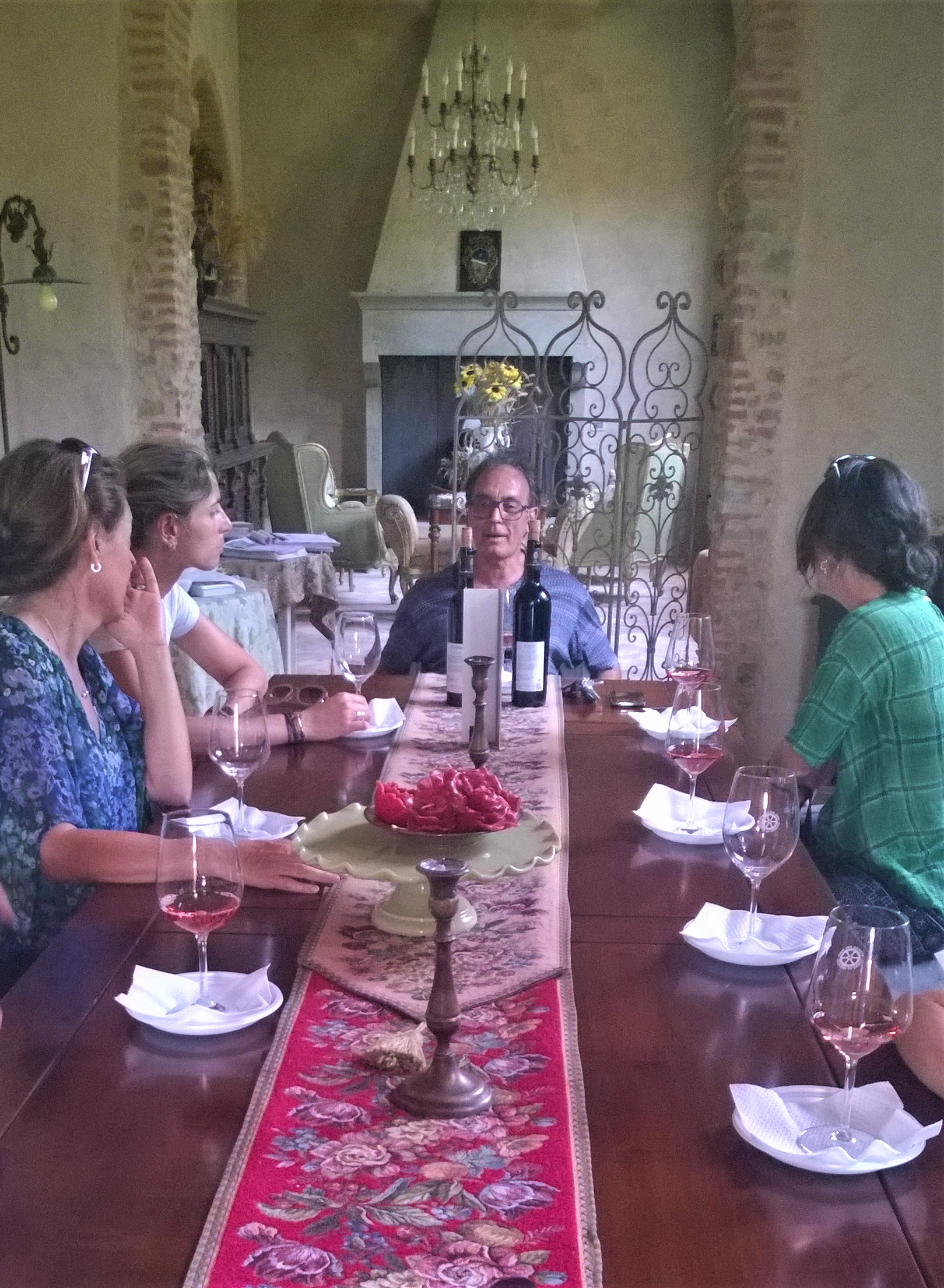
While seated at the long refectory table for wine tasting, Luzzi recounts the history of the villa. The first owner circa 200 A.D. was Marco Peconio, whose name derives for Pacho, the god of wine (more commonly known as Bacchus from the Etruscans). Even in Roman times, this region was linked to the art of cultivating the vine.  Circa the year 1000, the property passed to the Ricoveri family who erected a fortified palace with an adjoining tower (the tower is a focal point on the grounds this morning).
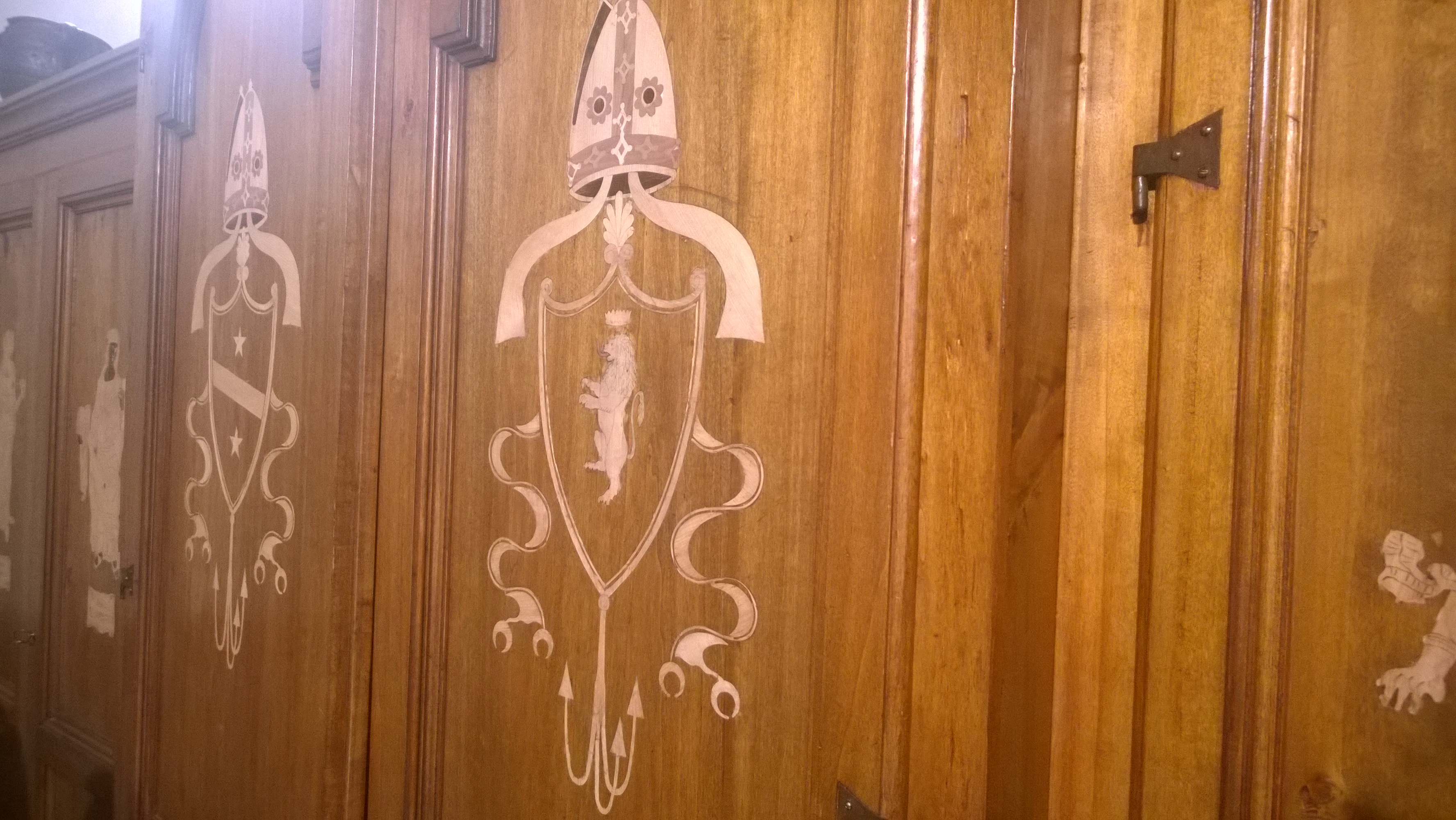
The Gualtieri, an important family of cardinals, poets and winemakers, acquired the property during the Renaissance and registered it to the Order of San Stefano, a dynastic military order founded in 1561 by Cosimo I de’ Medici, first Grand Duke of Tuscany. They erected the chapel and adjoining vestibule with intricately carved and inlaid cabinets to hold vestments of visiting Cardinals who came to say Mass in the chapel. Following the invasion of Arezzo by Napoleon in 1798, the villa was seized and auctioned. The Ubertini, a noble family from Arezzo, held the property until the early 1900s. 
Luzzi is determined to faithfully restore the Estate and expand production. His daughter Claudia, a pharmacist, has developed a brand of cosmetics using organic products from their fields (wine, olive oil, and herbs). Red wine contains resveratrol, a substance known to improve circulation. Claudia’s product packaging cites a study by dermatologists at the University of Wisconsin that showed resveratrol protects the skin from damage by sun exposure and also supplies nutrients to the skin.

When some of the Estate’s vines were planted here, the territory of Wisconsin was a wilderness outpost. Another example of just how small and interconnected our planet has become.

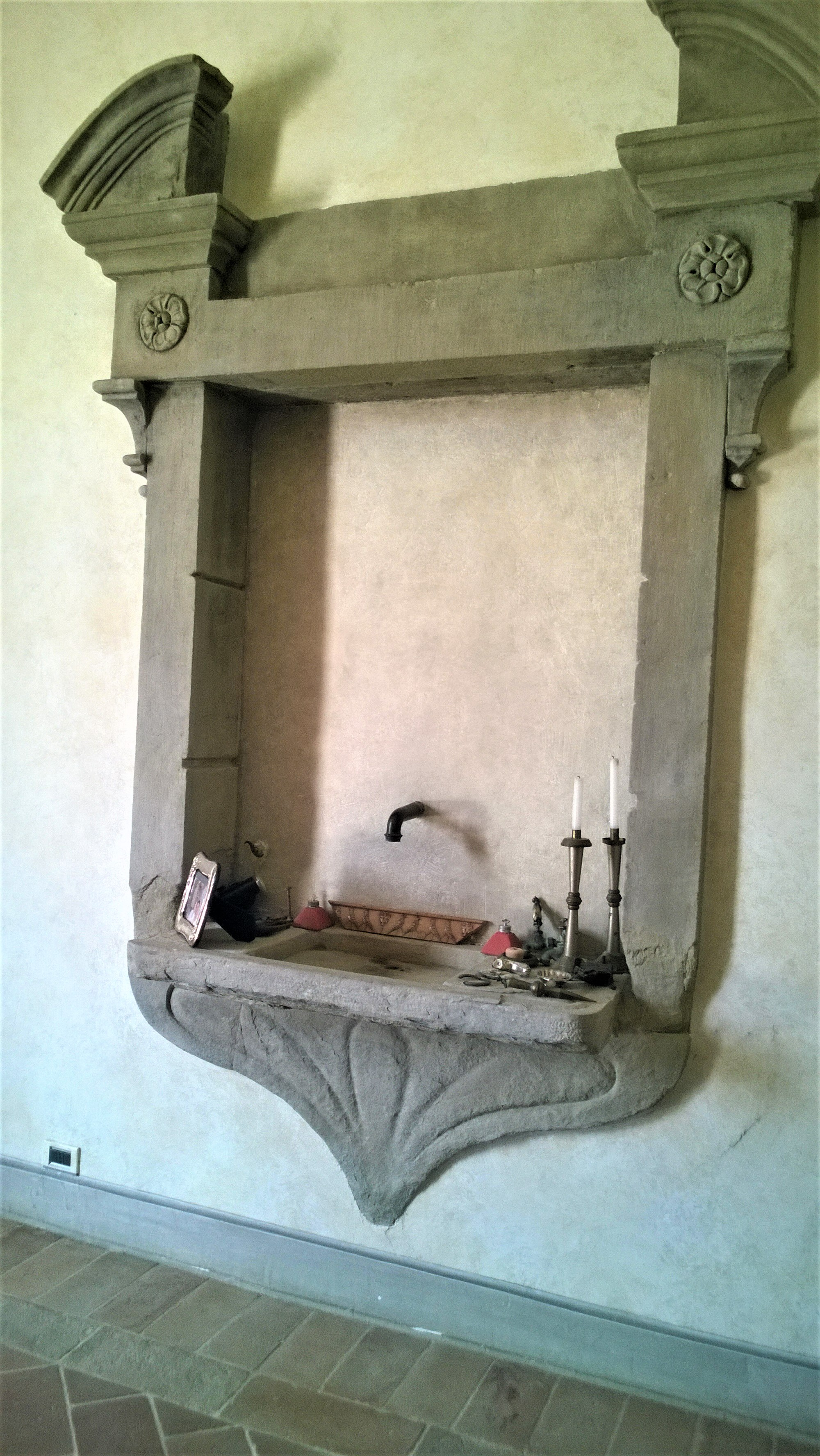
A faucet protrudes from the wall in a decorative stone niche in the hallway and reminds me of a similar dripping faucet in the movie Under the Tuscan Sun (based loosely on the Frances Mayes novel of the same name). Twelve years ago, watching that movie while trapped in a lonely and unfulfilling marriage, I could not have imagined this trip or the lightness I feel reconnecting to my true self and the joy of simple pleasures.
© Copyright 2012-2023. Lisa Scattaregia. All rights reserved.
Arezzo — July 15, 2015

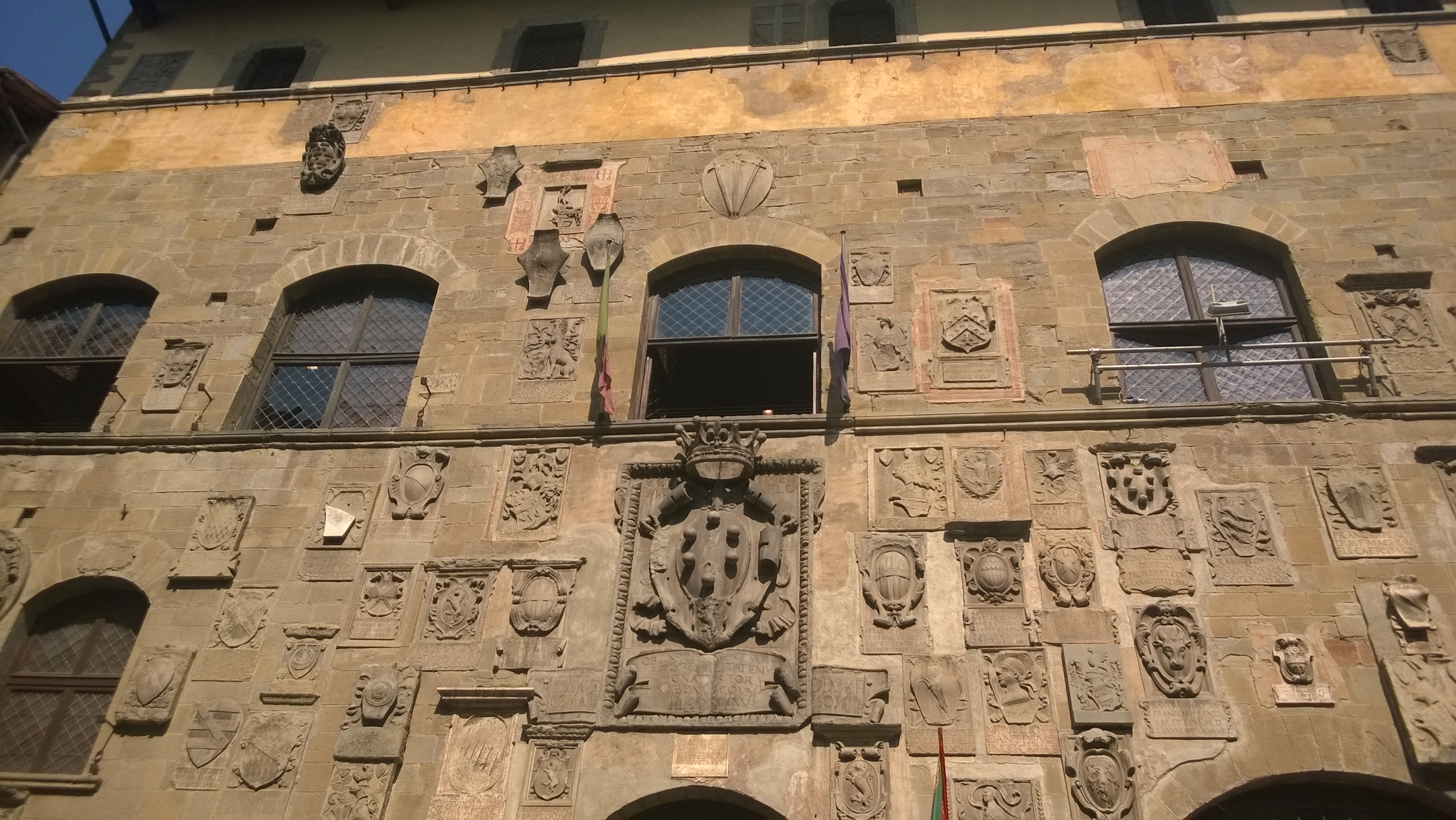
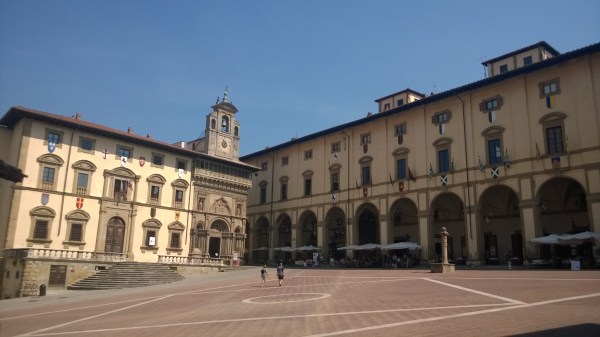
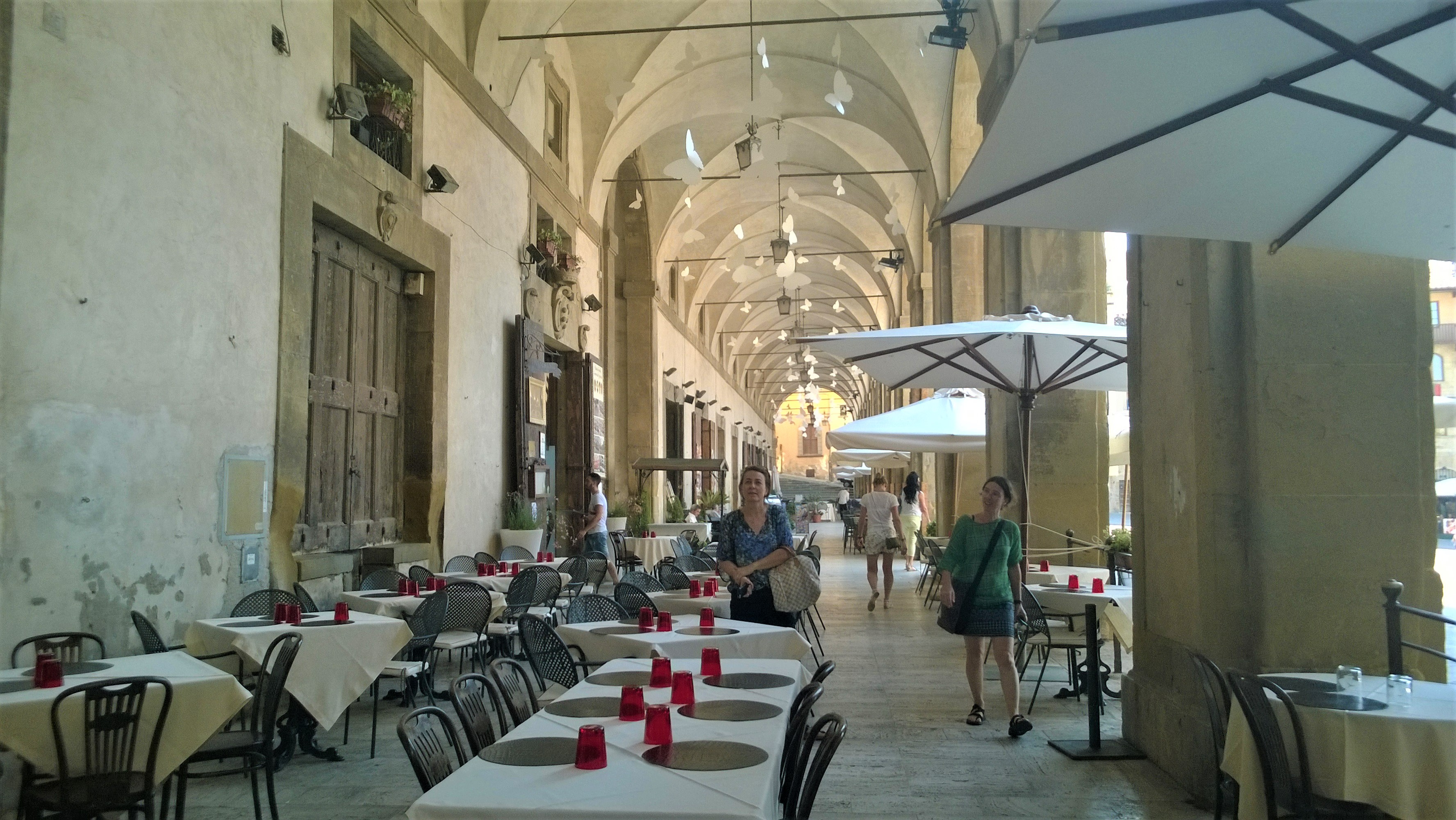
Our first culinary excursion begins in the Piazza Grande in Arezzo, forever immortalized in the 1997 Roberto Benigni film, Life is Beautiful. Considered one of the 12 important Etruscan cities, Arezzo occupies a steep hill rising from the floodplain of the River Arno. Today, tourists come to see the frescoes by Piero della Francesca inside the Basilica of San Francesco and the Medici Fortress in the upper part of town.

The Piazza Grande is also the site of the Joust of the Saracens held annually every September where the entire town dresses up in medieval costumes to cheer knights on horseback who charge a wooden Saracen king with their lances. I love how every town in Italy has their own unique “La Festa” or festival in their main square or piazza. I pick up several postcards and a booklet on the Joust for my son who is enamored with knights and medieval history.

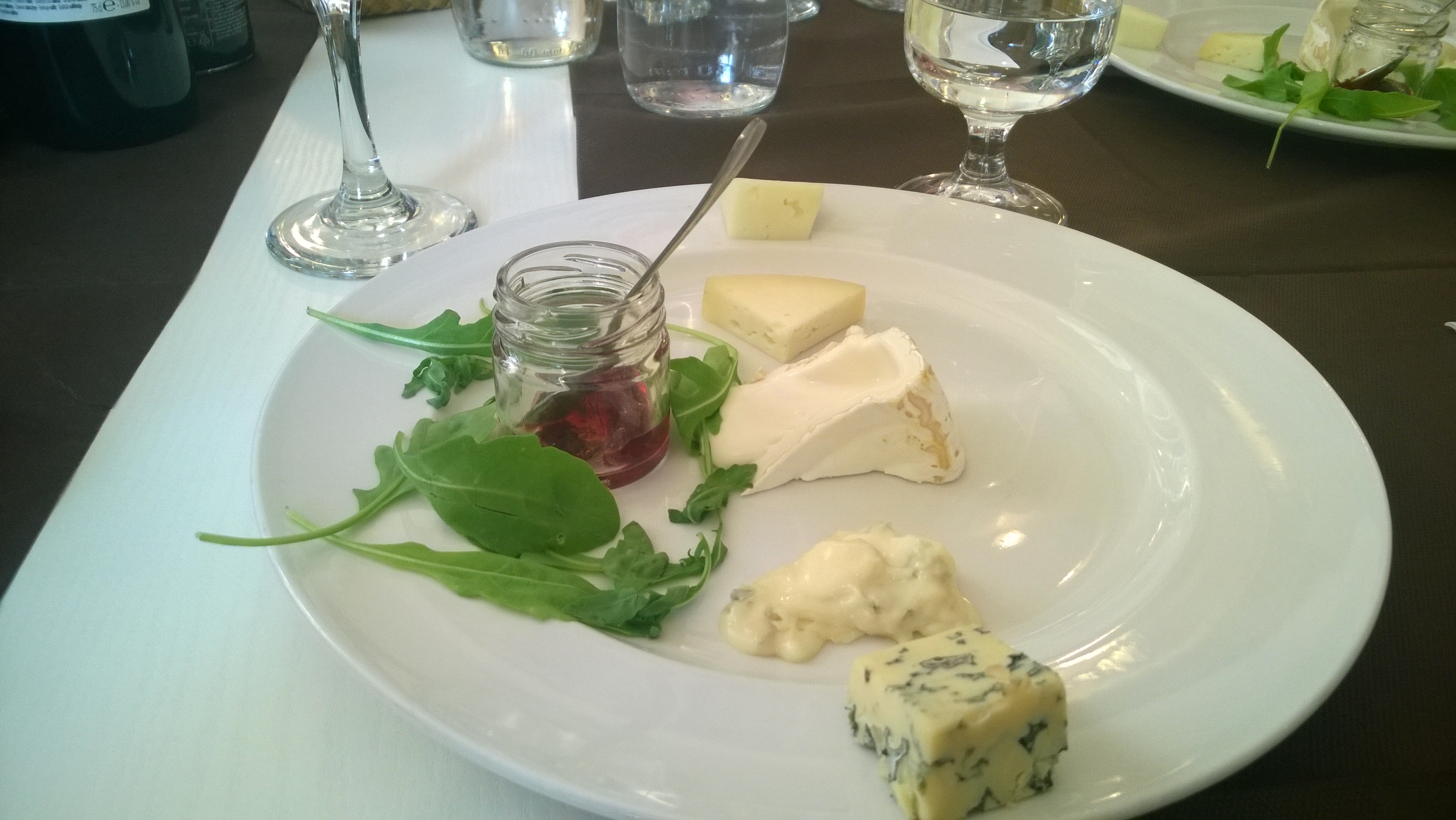
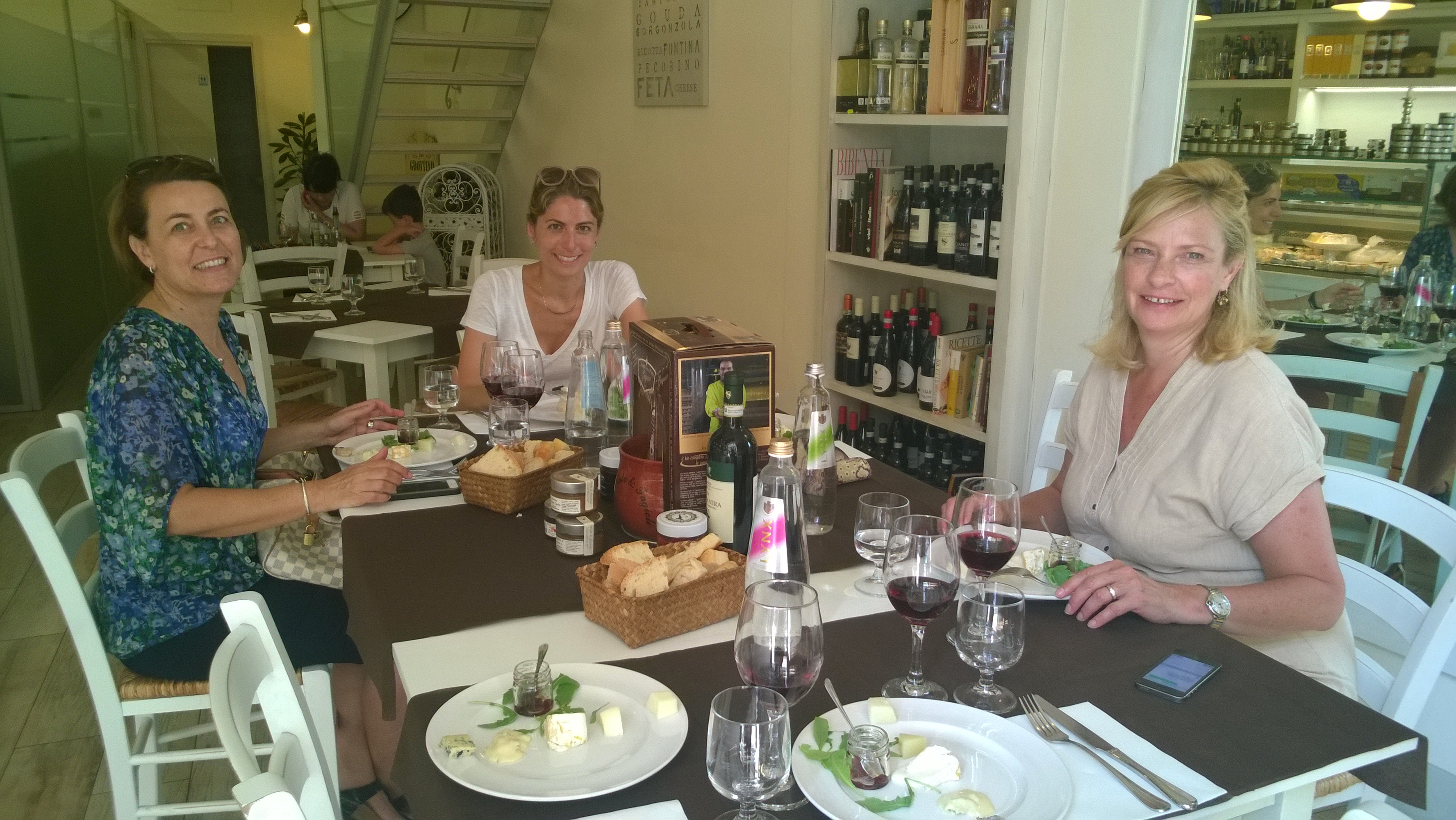
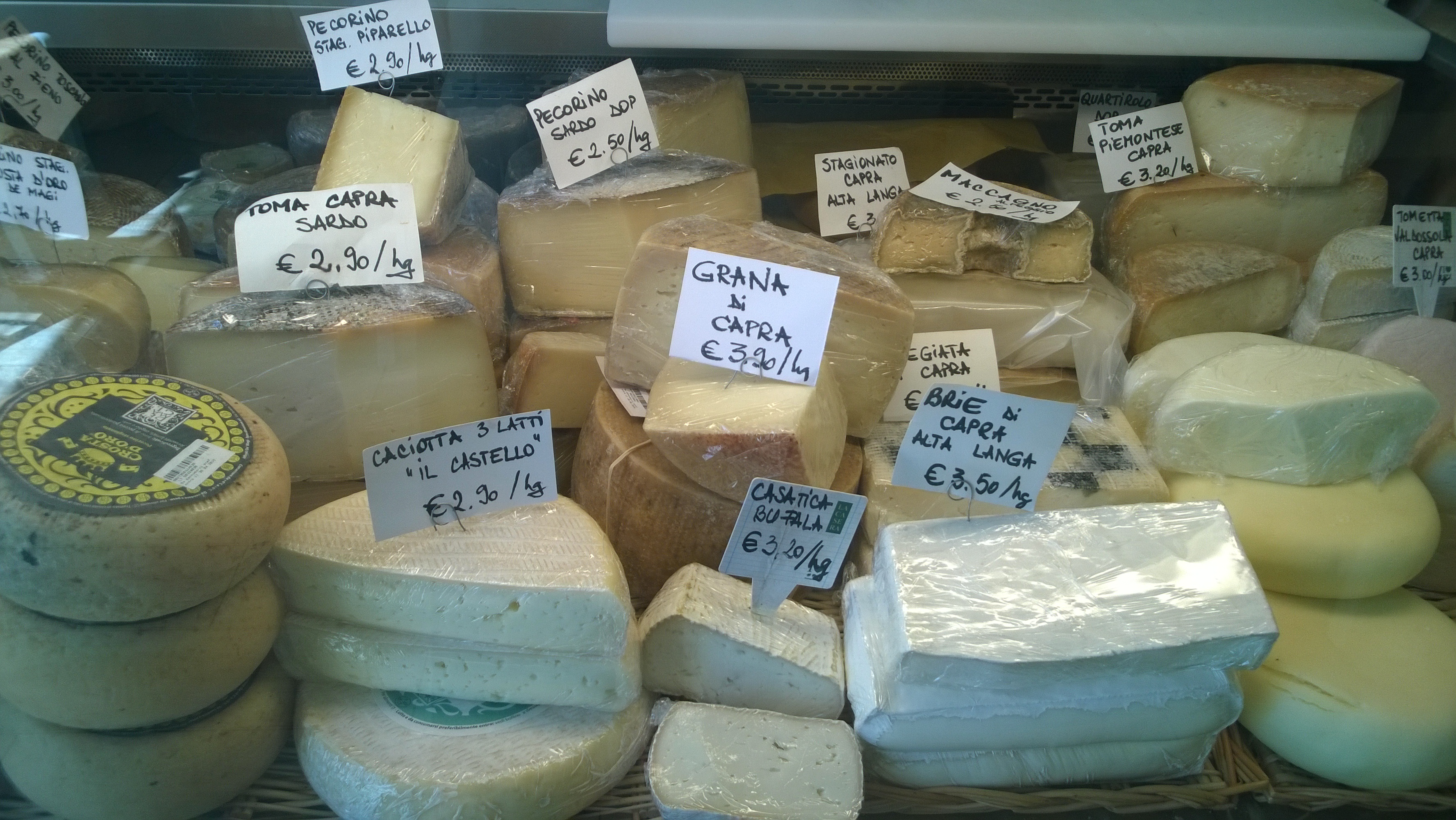
Our destination this morning is a “negozio di formaggi”— a specialty cheese shop featuring a dizzying array of cheeses made with goat milk, cow milk and water buffalo milk. When we arrive, everything is beautifully arranged at a table with plates, wine glasses, and white linen napkins. There are baskets of crusty hunks of bread, individual jars of quince jam, and wines paired with each of the four cheeses we are sampling this morning. These small cheese shop/wine bars are found not just in Arezzo, but throughout Italy, another barometer of how good food is central to “la dolce vita” (the sweet life) in Italy.

In addition to cooking techniques, we learn the history of regional foods. For instance, there’s a difference between prosciutto and Parma ham. Artisans must follow strict protocols to receive the Ducal Crown mark. Unlike many prosciuttos, no herbs are used in the preparation of Parma ham: the only ingredients are pork and salt. While any pig breed can be used for regular prosciutto, Parma ham is made only from Landrace and Duroc pigs. Meat is first rubbed with salt and left to rest for a week. After the pork is rubbed with the second layer of salt, it is left to age for another 15-18 days. Then, the meat is placed in a special cool and dry room for 60-90 days. The excess salt is then washed off and the meat is left to cure for 3 months. Afterward, the prosciutto is covered with a mix of lard and salt to prevent the external layer from drying. Finally, the meat is left in a cellar-like room for a full year.

The shop owner also explains the difference between bufala mozzarella and burrata. Bufala mozzarella is made with milk from water buffalo. One theory is Asian water buffalo were brought to Italy by the Goths during migrations in the early medieval period. However, according to the organization which certifies Bufala Campana, the most likely scenario is they were introduced by the Normans from Sicily circa 1000 and Arabs had introduced to them to Sicily in the 700s.  Others believe the water buffalo were brought to Mesopotamia by the Arabs and subsequently introduced into Europe by returning crusaders.  

Authentic buffalo mozzarella – Mozzarella di Bufala Campana – is now safeguarded under the European Union’s Protected Designation of Origin laws (PDO on food labels). Water buffalo milk is much fattier and richer than the milk of dairy cows, which means it’s ideal for making cheese. The cheese is porcelain white, has a smooth shiny surface and a slightly acidic taste. Bufala mozzarella has more flavor than mozzarella made with cow’s milk (the common variety in the U.S.).

Burrata, which means “buttery” in Italian, is made from fresh milk heated to make mozzarella curds. These are combined with hot whey and then stretched and pulled and eventually formed into a ball, the middle of which is filled with stracciatella, essentially stringy mozzarella curds combined with cream. The outer cheese is then pulled over the creamy center and twisted into a small top knot. When you slice into the cheese, the creamy interior spurts out. Messy but delicious. 

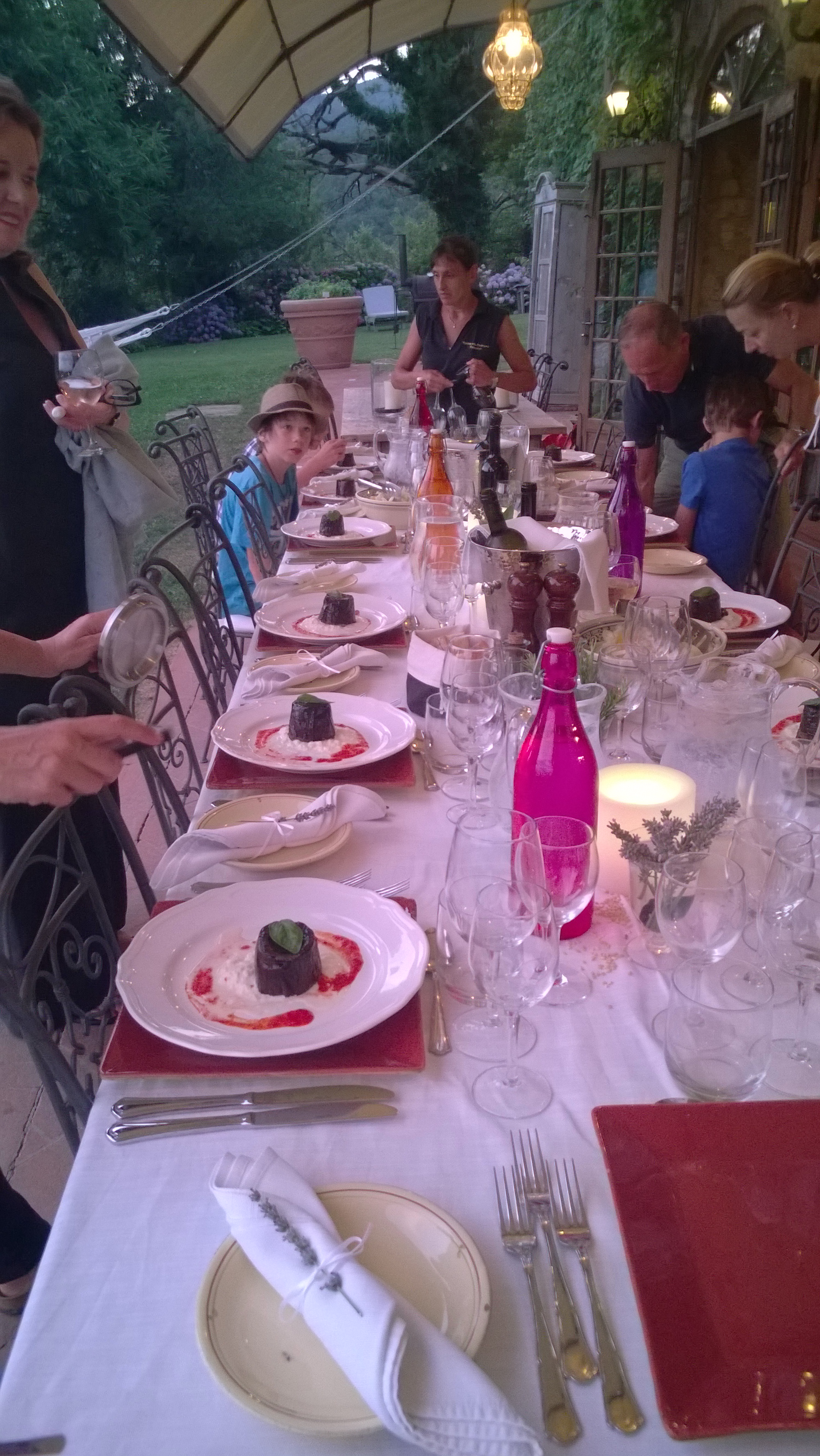
We will incorporate Burrata cheese into tonight’s appetizer—an amazing eggplant soufflé.

© Copyright 2012-2023. Lisa Scattaregia. All rights reserved.
Tuscany — July 14, 2015

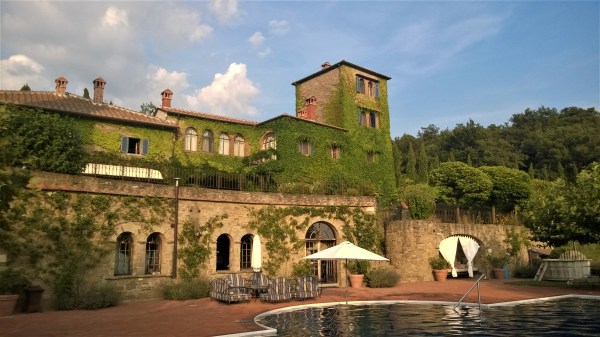
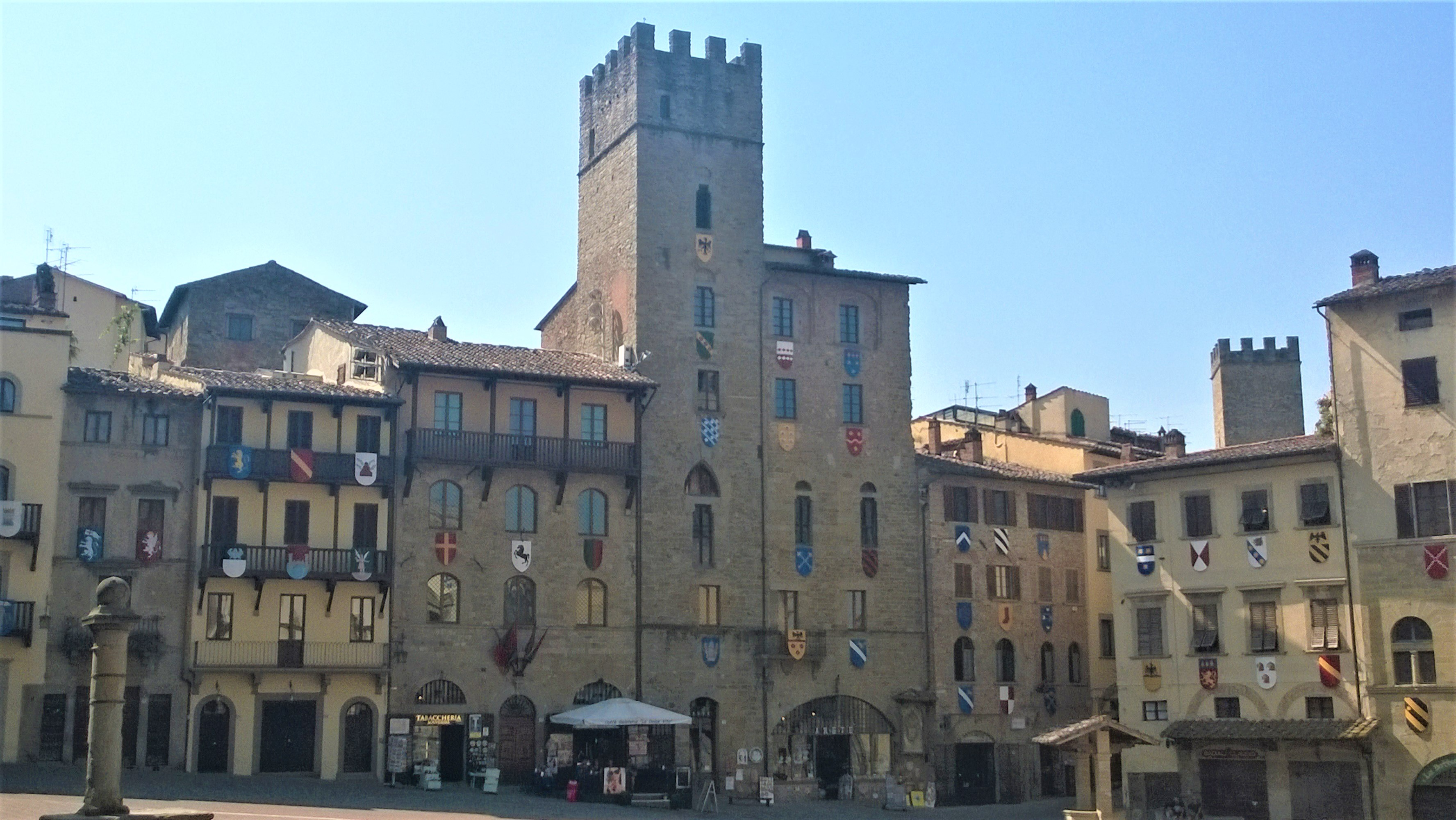
I have just arrived at the Villa Torre del Tartufo in Tuscany. Through the ivy-framed windows in my room with its wood-beamed ceiling and thick stucco walls, I gaze out at the deep blue swath of the villa’s swimming pool surrounded by terraced gardens. Lush hillsides of mid-summer stretch as far as the eye can see in all directions. I am glad I have splurged on this three-day cooking school. Made possible by selling my wedding ring, it has already exceeded my expectations as a once-in-a-lifetime experience.

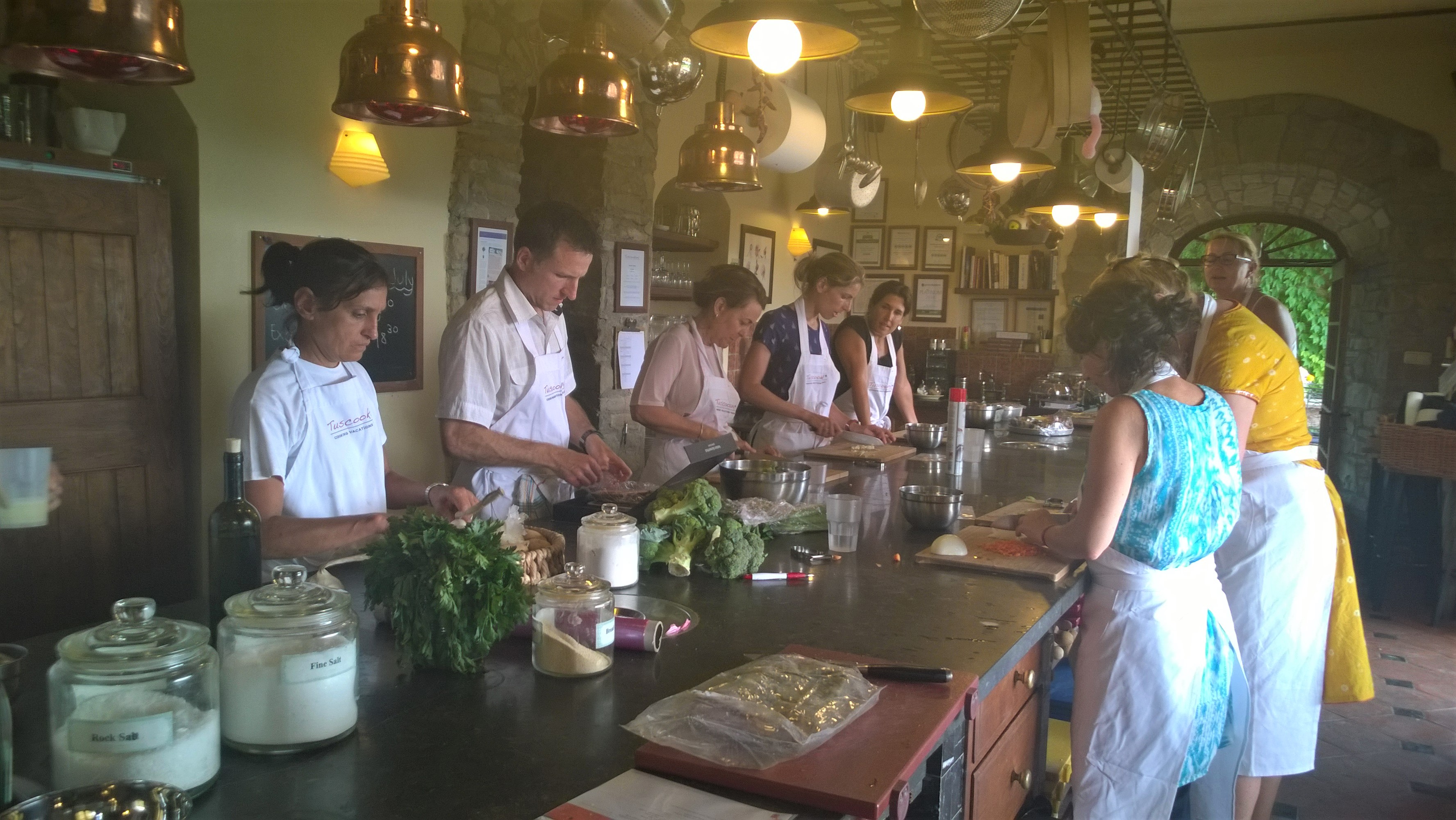
Each morning begins at 7:00 AM with a breakfast of frothy cappuccino, fresh duck eggs cooked to order, spicy capicola or Parma ham, and ripe Tuscan melon. Then we are off in a small van along narrow country roads for our Culinary Excursion of the day. We will return to the villa for lunch and split into teams to cook for five to six hours preparing an evening meal of four courses. My fellow classmates include two sisters from South Africa, Amelia and her 12-year-old son Arlo from Melbourne, Australia, a German couple, a retired teacher from Switzerland, a young American woman about to start medical school, and a couple from New York on their second visit to one of the Tuscookany schools (others are located in equally spectacular villas in Poppi and Bellorica).  

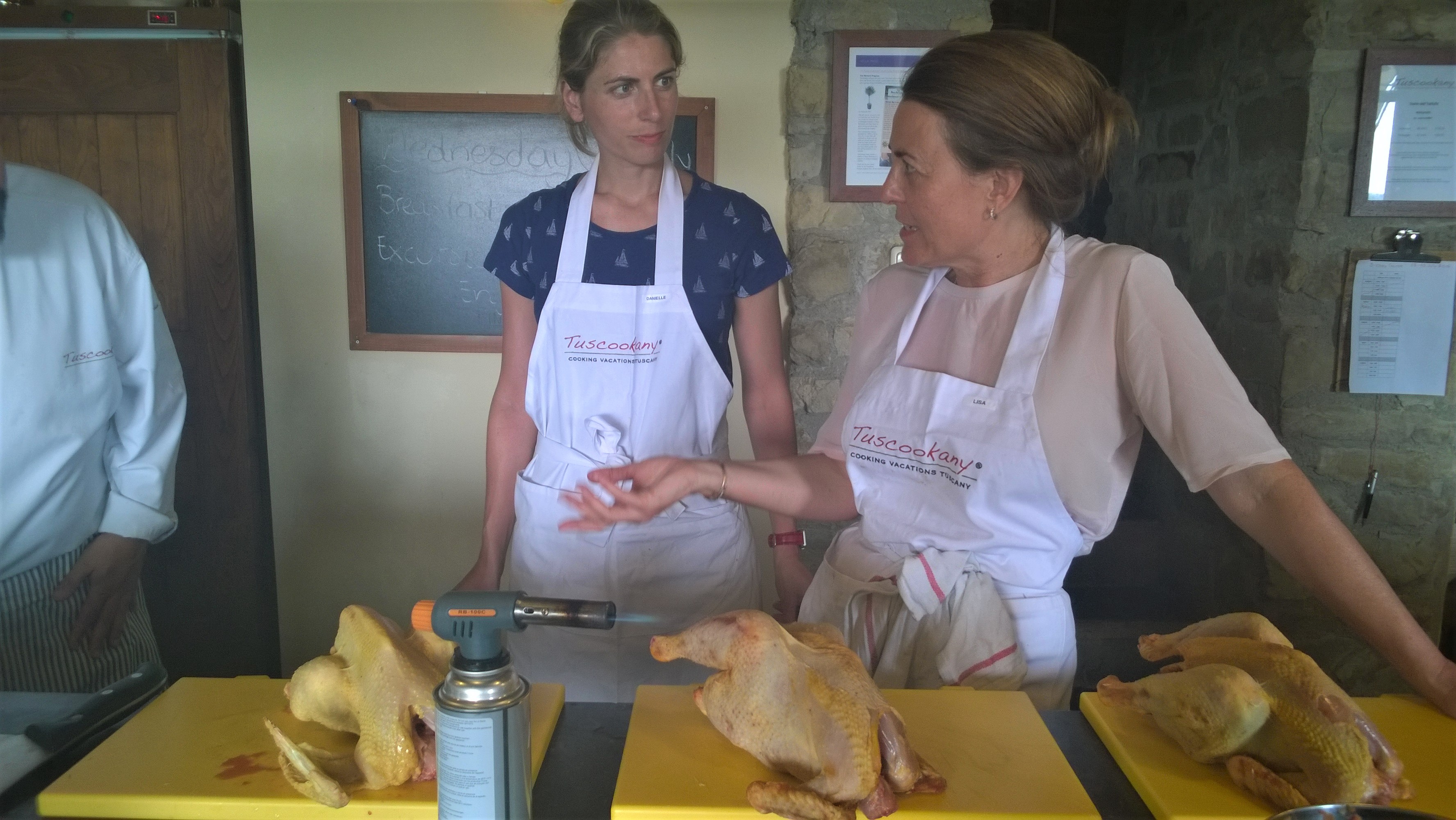
Our chefs are Franco and Paola, both born and raised in Italy. At the age of 14, Franco enrolled in a 5-year course at the National Hotellerie Institute of Italy graduating when he was 19.  He worked as a chef in restaurants in England, France, Switzerland, Greece, and Rhodes and was also a chef on a Cunard cruise ship. He’s a tough taskmaster making sure we use the right utensils and that we keep our ingredients tidy on the long prep table.

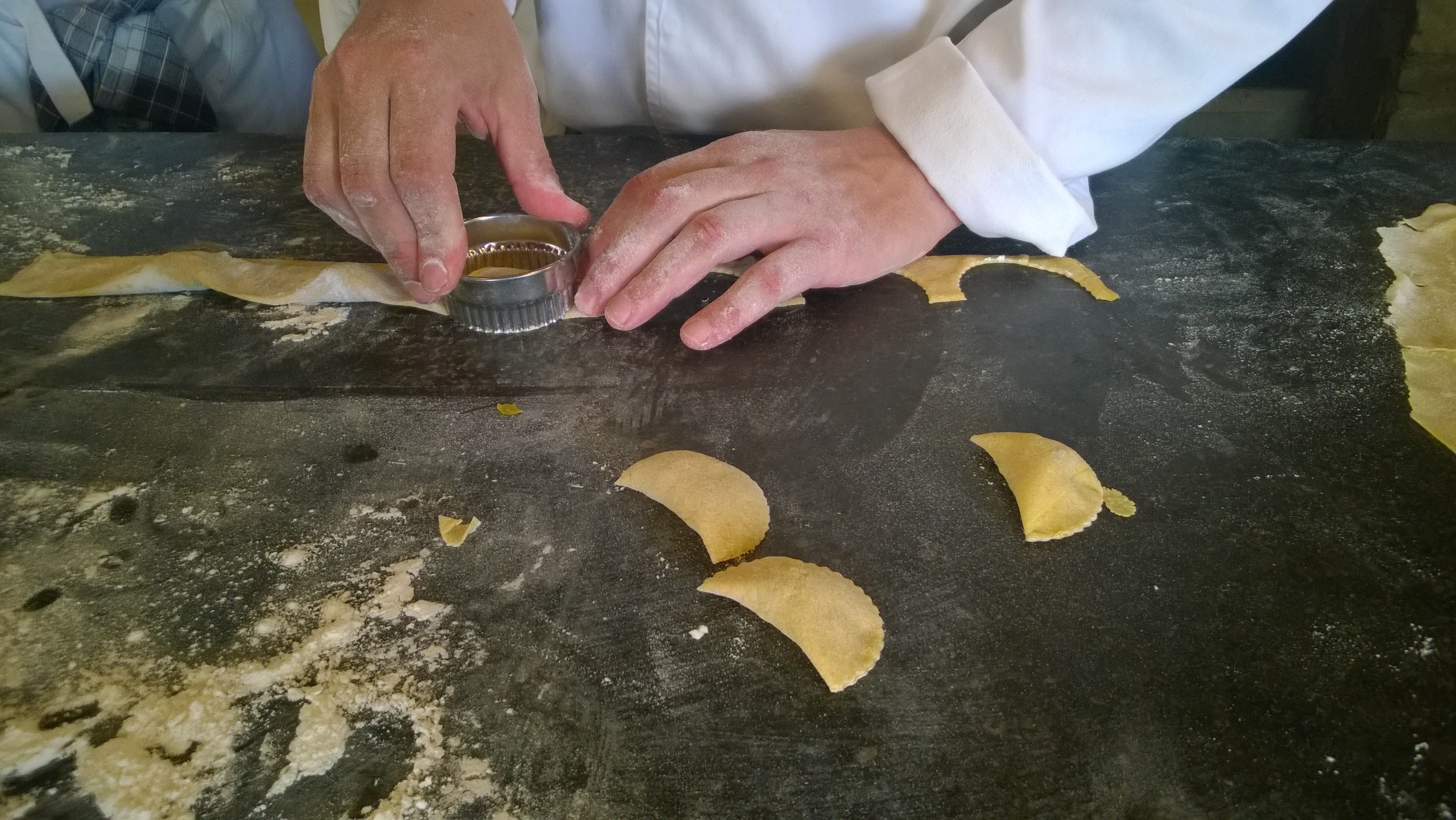
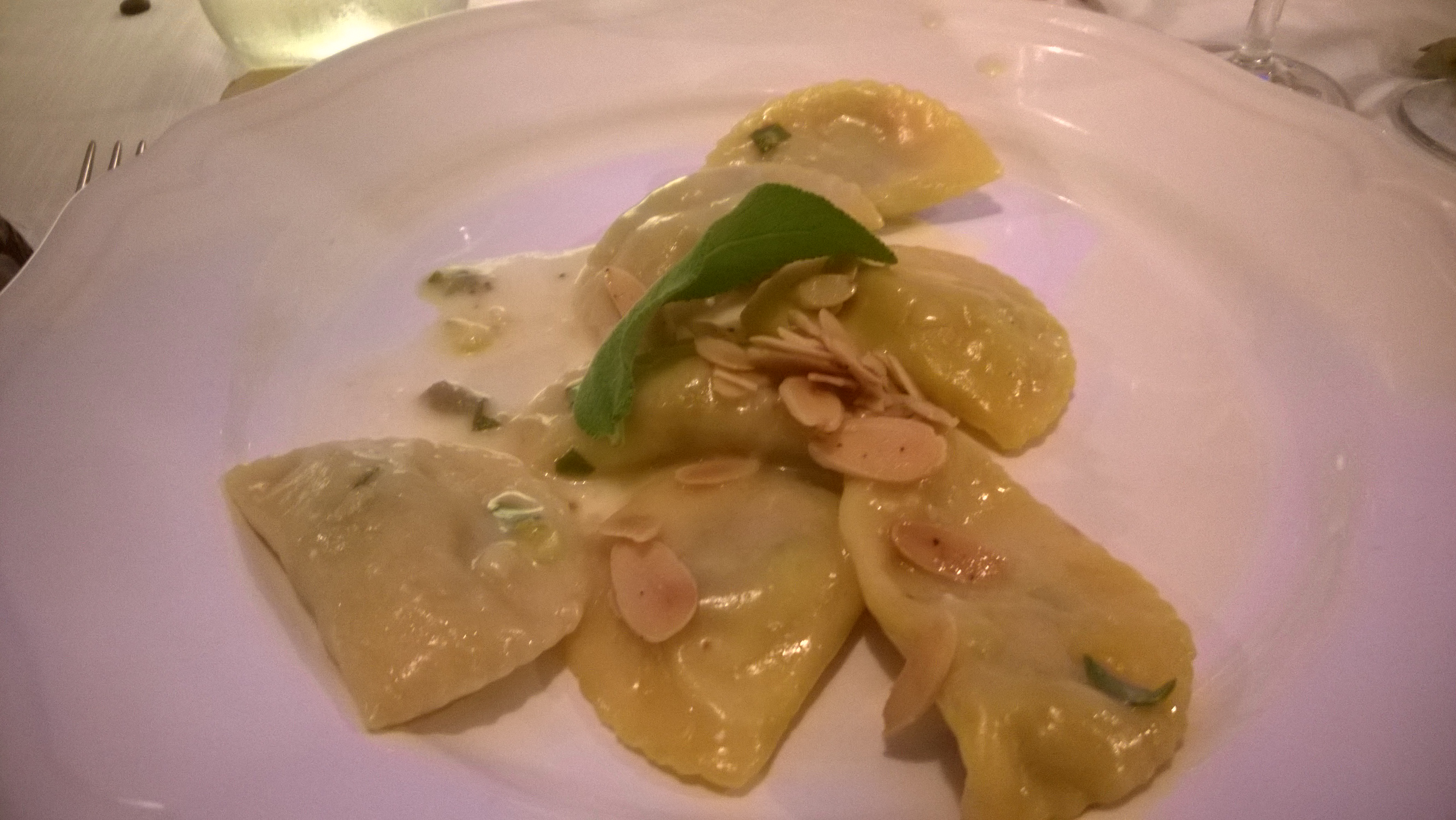
We will learn everything from deboning a duck, to shaping delicate moons of ravioli, to unmolding eggplant and cheese souffles, to roasting artisan pizzas in a 300-year-old stone pizza oven in the villa’s courtyard. We’ll even search for truffles in the wooded hillsides surrounding the villa.

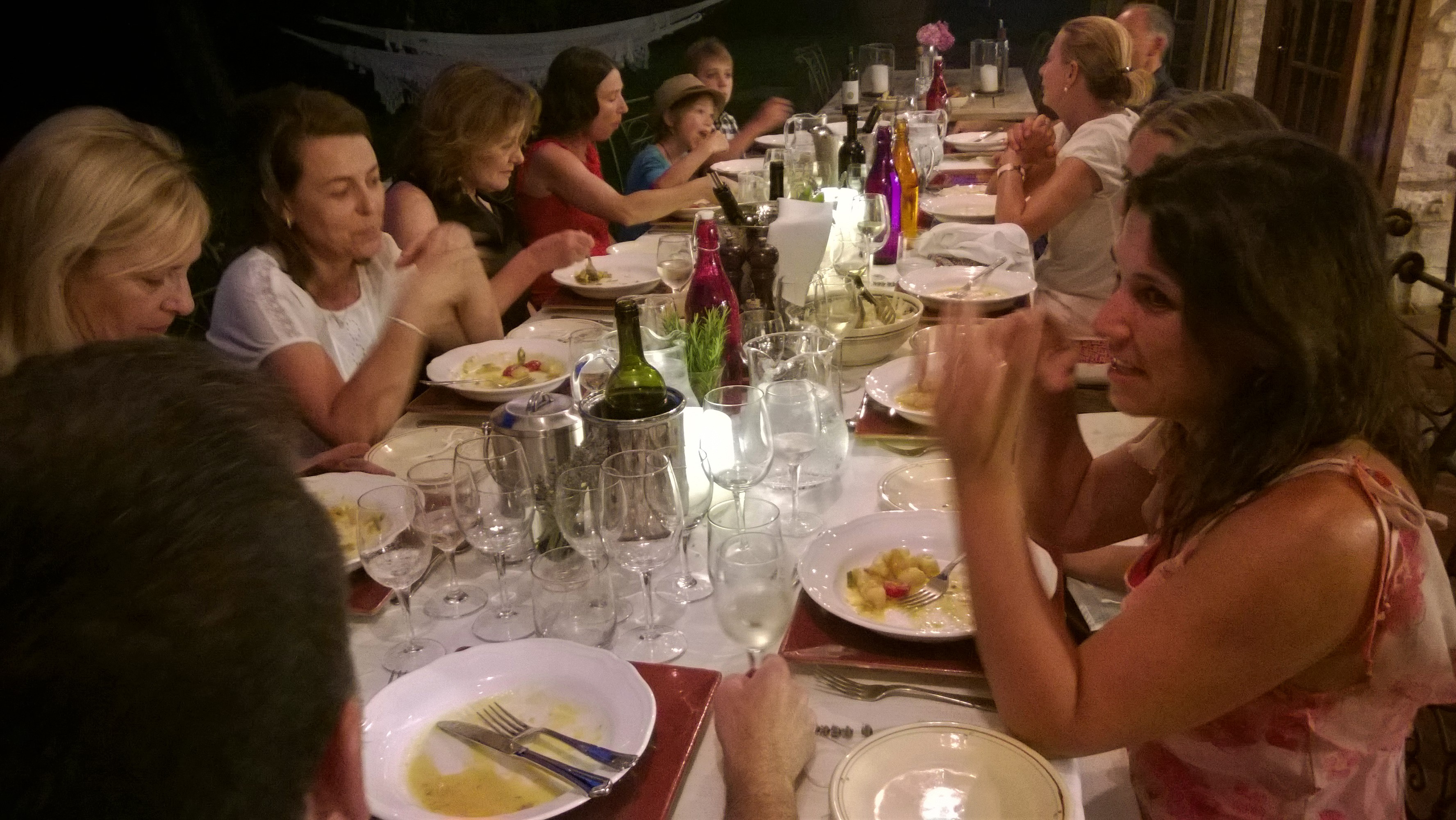
There is a short break before dinner when we can rest, swim in the pool, or schedule a massage. I opt for a quick dip and then curl up in one of the pool’s pillowed alcoves with a good book. Dinners are served at a long pine table under the grape arbor starting at 8:00 PM and stretch for hours with a local wine accompanying each course. After dessert, there are platters of cheese, pears, and toasted nuts.  Franco sets an enormous rustic basket on the table—it’s full of odd-shaped bottles holding an assortment of grappa, exotic liqueurs like Limoncello or pistachio cream, and tawny ports.

At night with windows wide open to the fragrant night air of Tuscany, I fall asleep pleasantly satiated by the delectable food and wine experiences of the day.

© Copyright 2012-2023. Lisa Scattaregia. All rights reserved.
Website Built with WordPress.com.

Up ↑