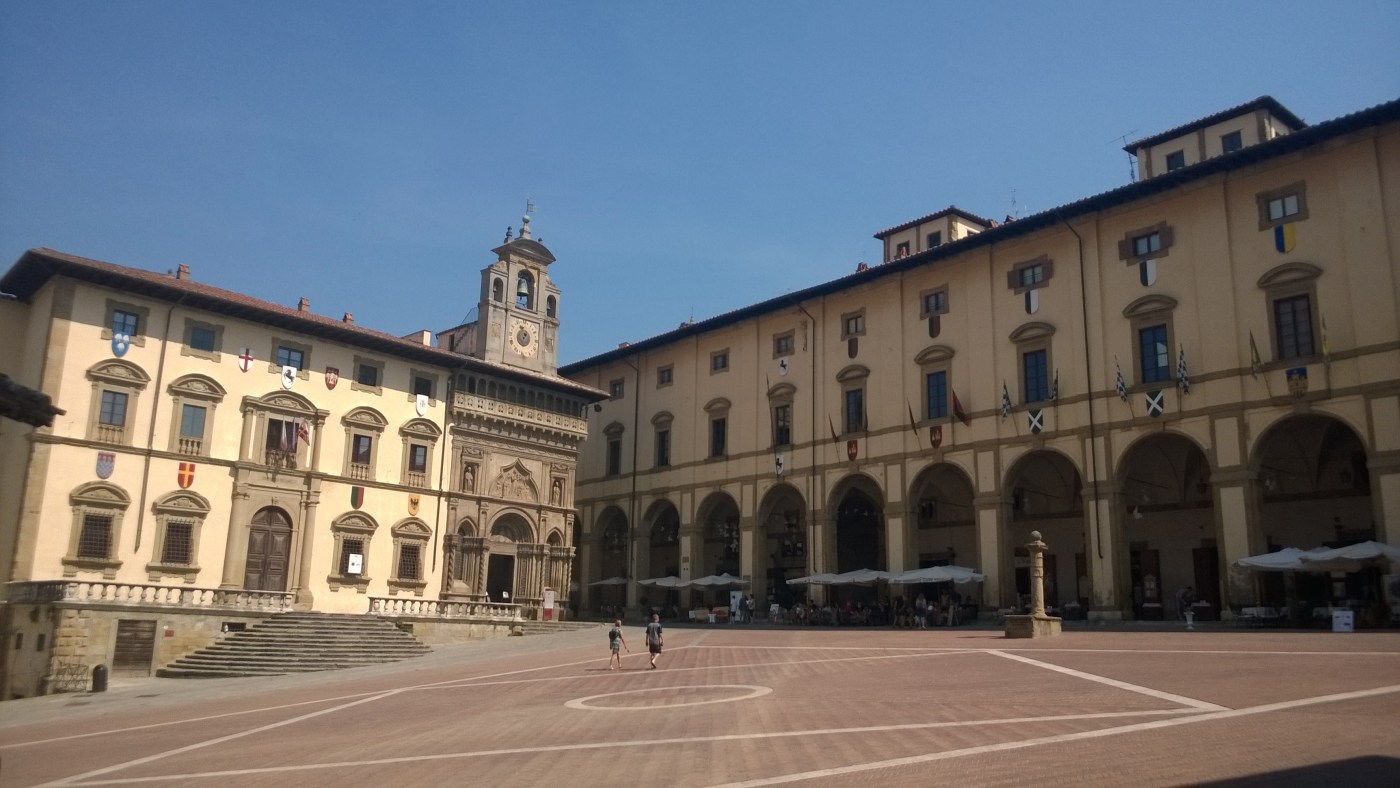
Our first culinary excursion begins in the Piazza Grande in Arezzo, forever immortalized in the 1997 Roberto Benigni film, Life is Beautiful. Considered one of the 12 important Etruscan cities, Arezzo occupies a steep hill rising from the floodplain of the River Arno. Today, tourists come to see the frescoes by Piero della Francesca inside the Basilica of San Francesco and the Medici Fortress in the upper part of town.
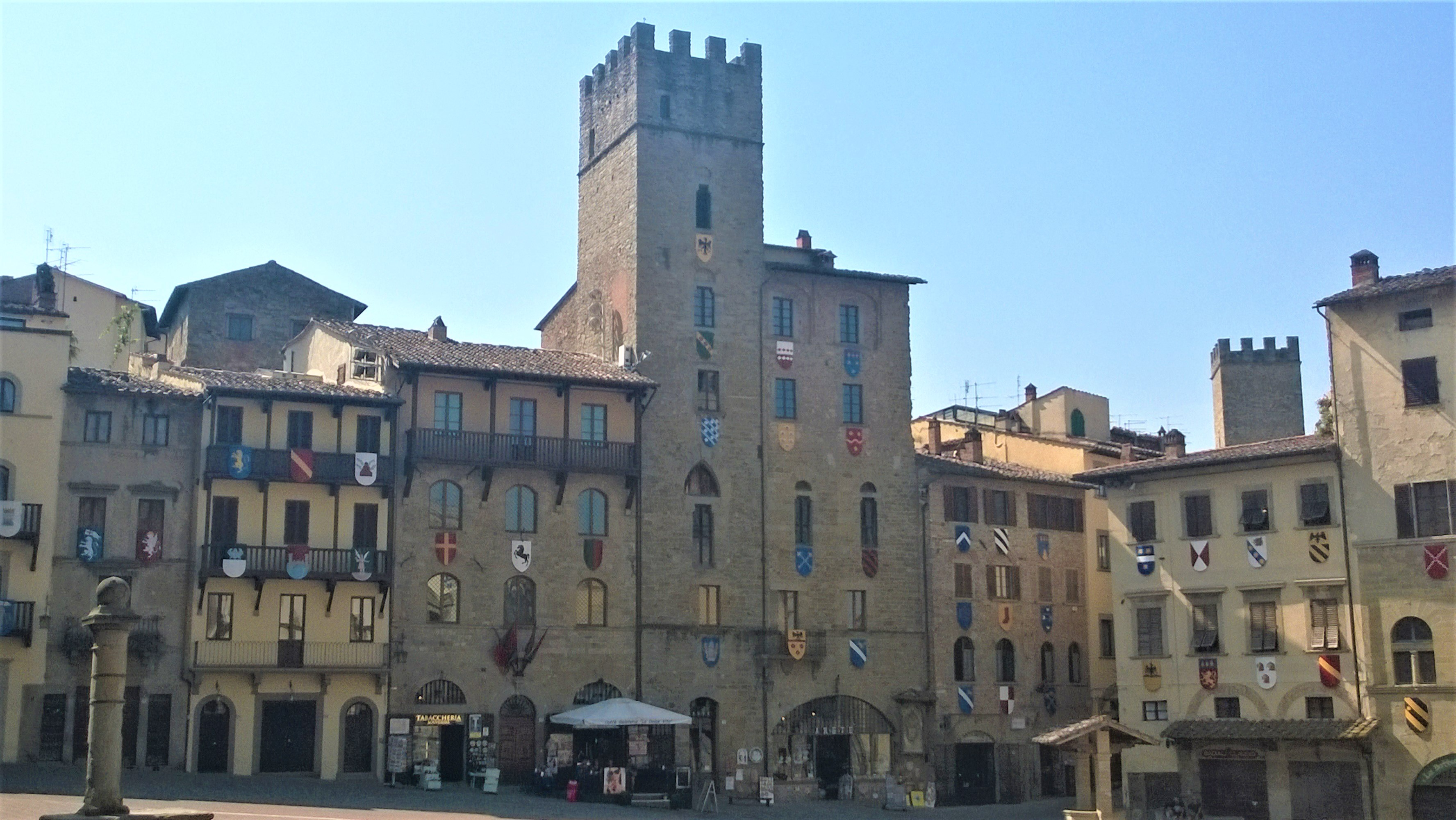
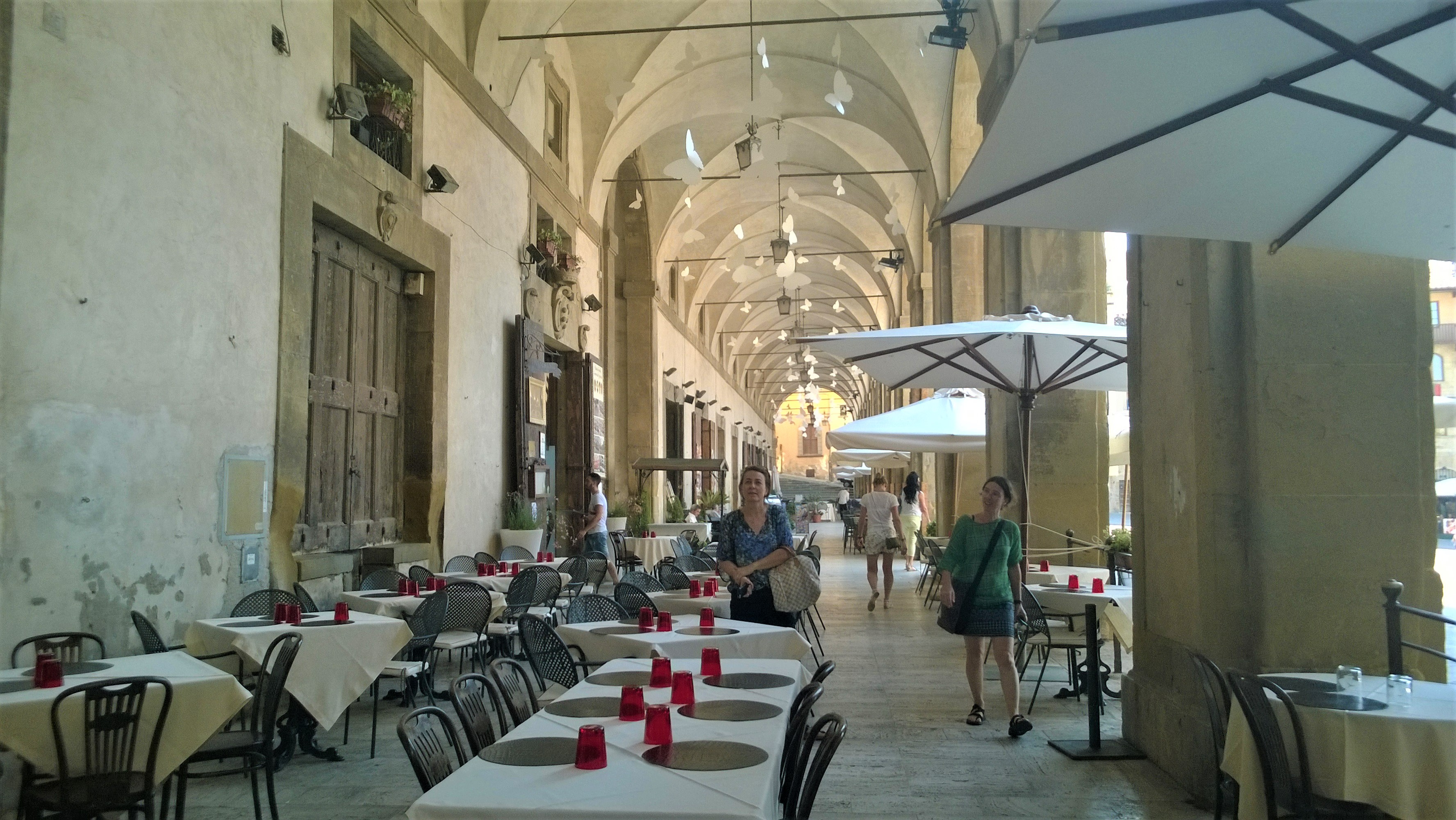
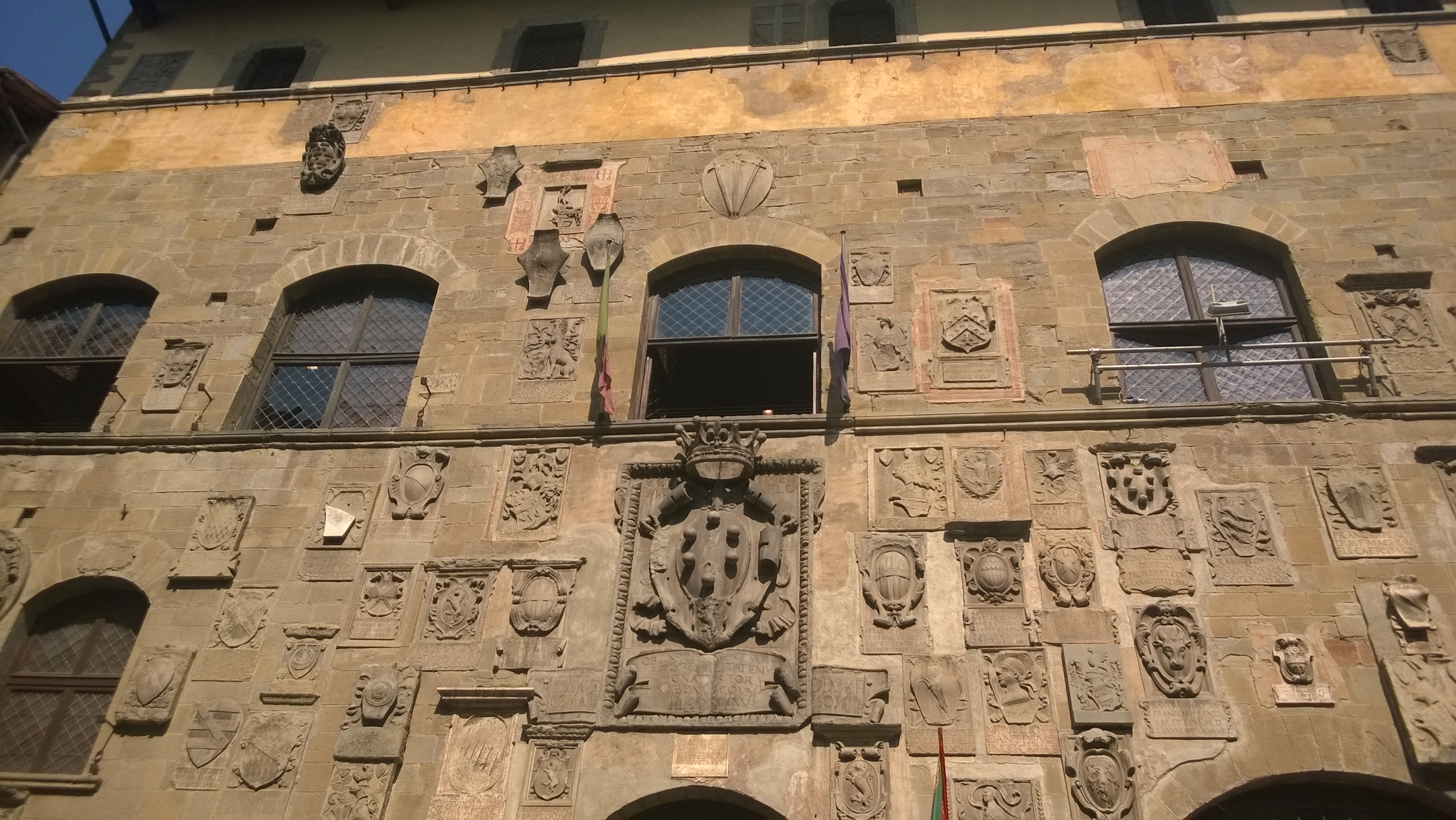
The Piazza Grande is also the site of the Joust of the Saracens held annually every September where the entire town dresses up in medieval costumes to cheer knights on horseback who charge a wooden Saracen king with their lances. I love how every town in Italy has their own unique “La Festa” or festival in their main square or piazza. I pick up several postcards and a booklet on the Joust for my son who is enamored with knights and medieval history.
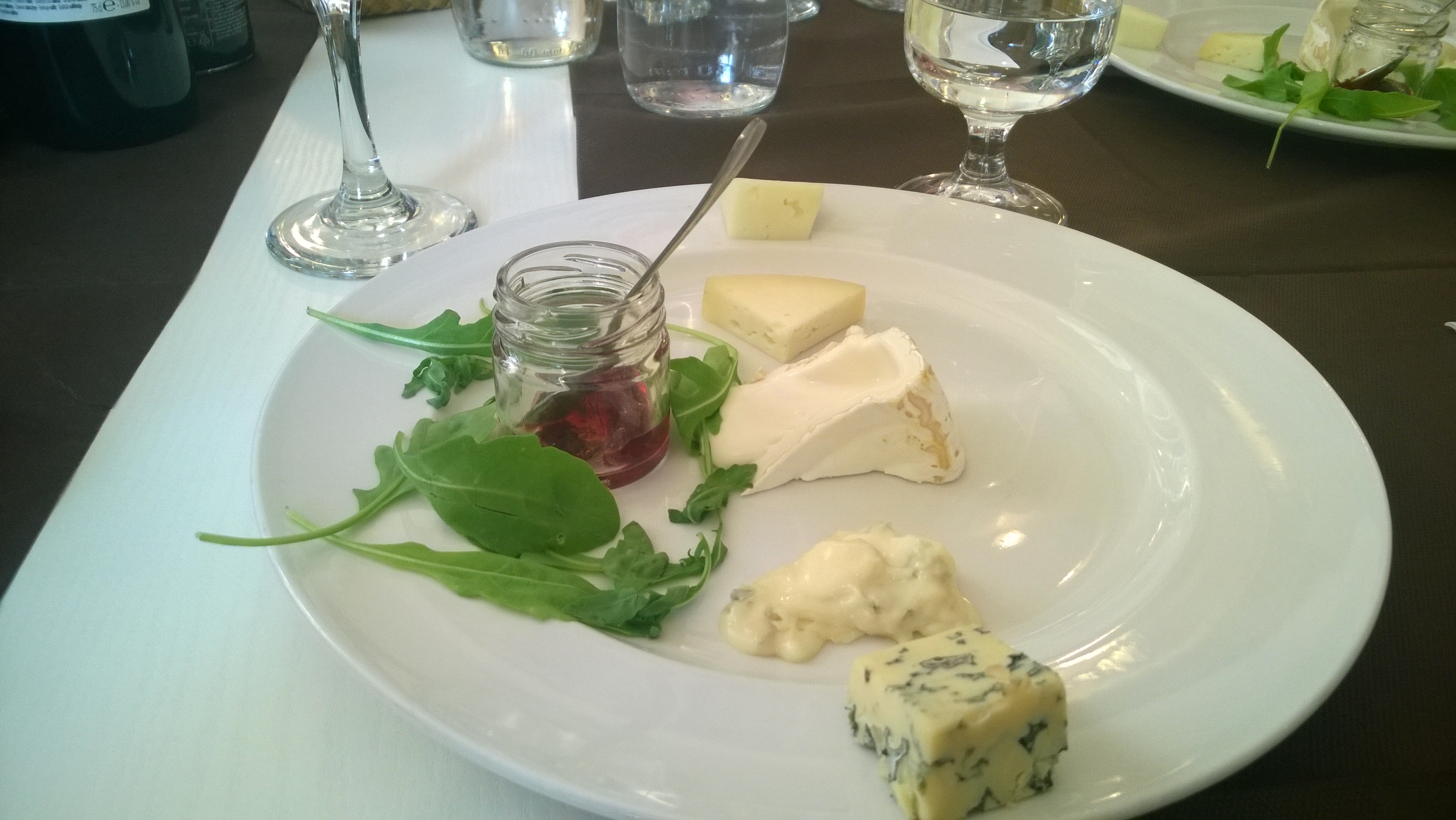
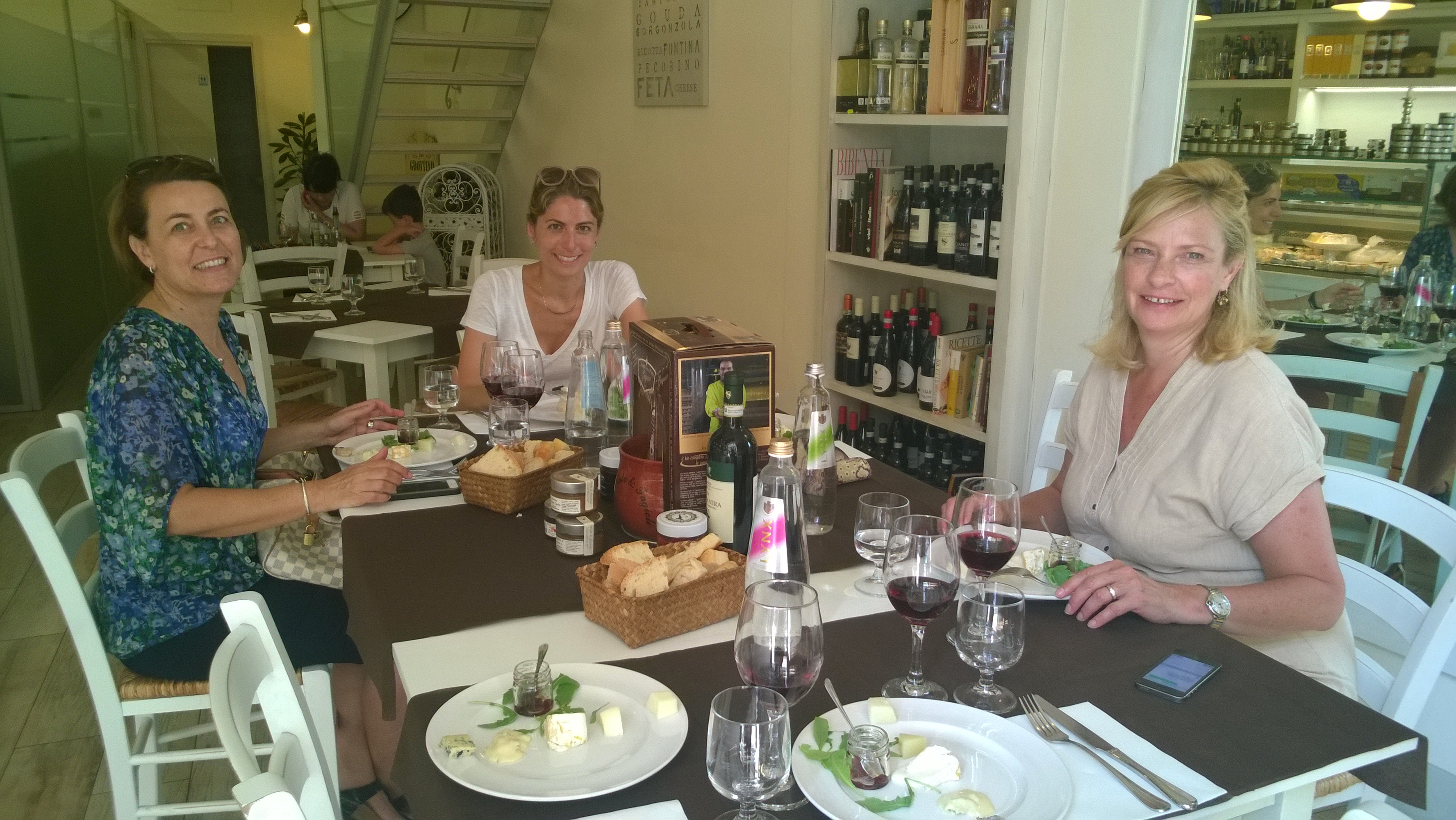
Our destination this morning is a “negozio di formaggi”— a specialty cheese shop featuring a dizzying array of cheeses made with goat milk, cow milk and water buffalo milk. When we arrive, everything is beautifully arranged at a table with plates, wine glasses, and white linen napkins. There are baskets of crusty hunks of bread, individual jars of quince jam, and wines paired with each of the four cheeses we are sampling this morning. These small cheese shop/wine bars are found not just in Arezzo, but throughout Italy, another barometer of how good food is central to “la dolce vita” (the sweet life) in Italy.
In addition to cooking techniques, we learn the history of regional foods. For instance, there’s a difference between prosciutto and Parma ham. Artisans must follow strict protocols to receive the Ducal Crown mark. Unlike many prosciuttos, no herbs are used in the preparation of Parma ham: the only ingredients are pork and salt. While any pig breed can be used for regular prosciutto, Parma ham is made only from Landrace and Duroc pigs. Meat is first rubbed with salt and left to rest for a week. After the pork is rubbed with the second layer of salt, it is left to age for another 15-18 days. Then, the meat is placed in a special cool and dry room for 60-90 days. The excess salt is then washed off and the meat is left to cure for 3 months. Afterward, the prosciutto is covered with a mix of lard and salt to prevent the external layer from drying. Finally, the meat is left in a cellar-like room for a full year.
The shop owner also explains the difference between bufala mozzarella and burrata. Bufala mozzarella is made with milk from water buffalo. One theory is Asian water buffalo were brought to Italy by the Goths during migrations in the early medieval period. However, according to the organization which certifies Bufala Campana, the most likely scenario is they were introduced by the Normans from Sicily circa 1000 and Arabs had introduced to them to Sicily in the 700s. Others believe the water buffalo were brought to Mesopotamia by the Arabs and subsequently introduced into Europe by returning crusaders.
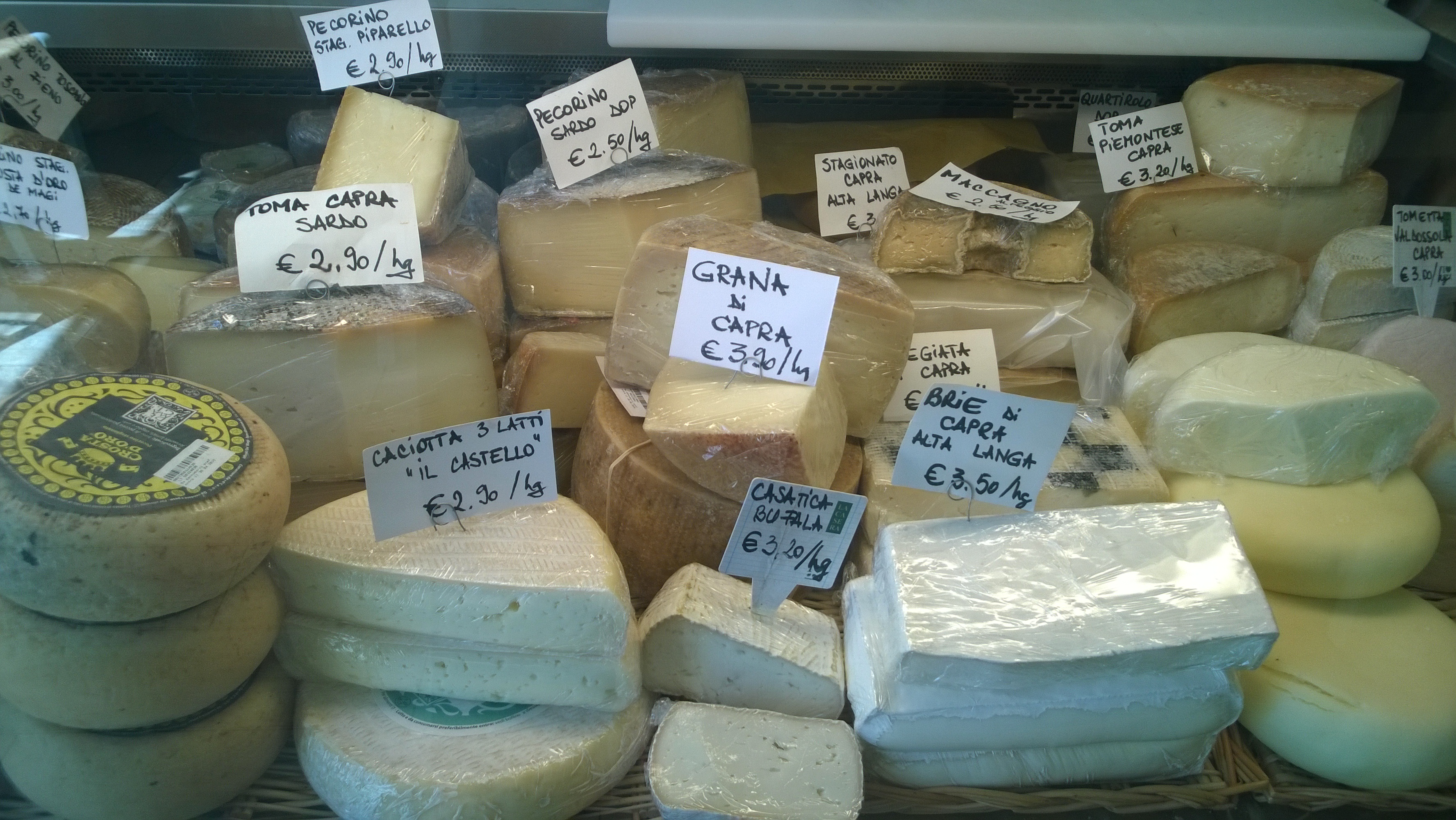
Authentic buffalo mozzarella – Mozzarella di Bufala Campana – is now safeguarded under the European Union’s Protected Designation of Origin laws (PDO on food labels). Water buffalo milk is much fattier and richer than the milk of dairy cows, which means it’s ideal for making cheese. The cheese is porcelain white, has a smooth shiny surface and a slightly acidic taste. Bufala mozzarella has more flavor than mozzarella made with cow’s milk (the common variety in the U.S.).
Burrata, which means “buttery” in Italian, is made from fresh milk heated to make mozzarella curds. These are combined with hot whey and then stretched and pulled and eventually formed into a ball, the middle of which is filled with stracciatella, essentially stringy mozzarella curds combined with cream. The outer cheese is then pulled over the creamy center and twisted into a small top knot. When you slice into the cheese, the creamy interior spurts out. Messy but delicious.
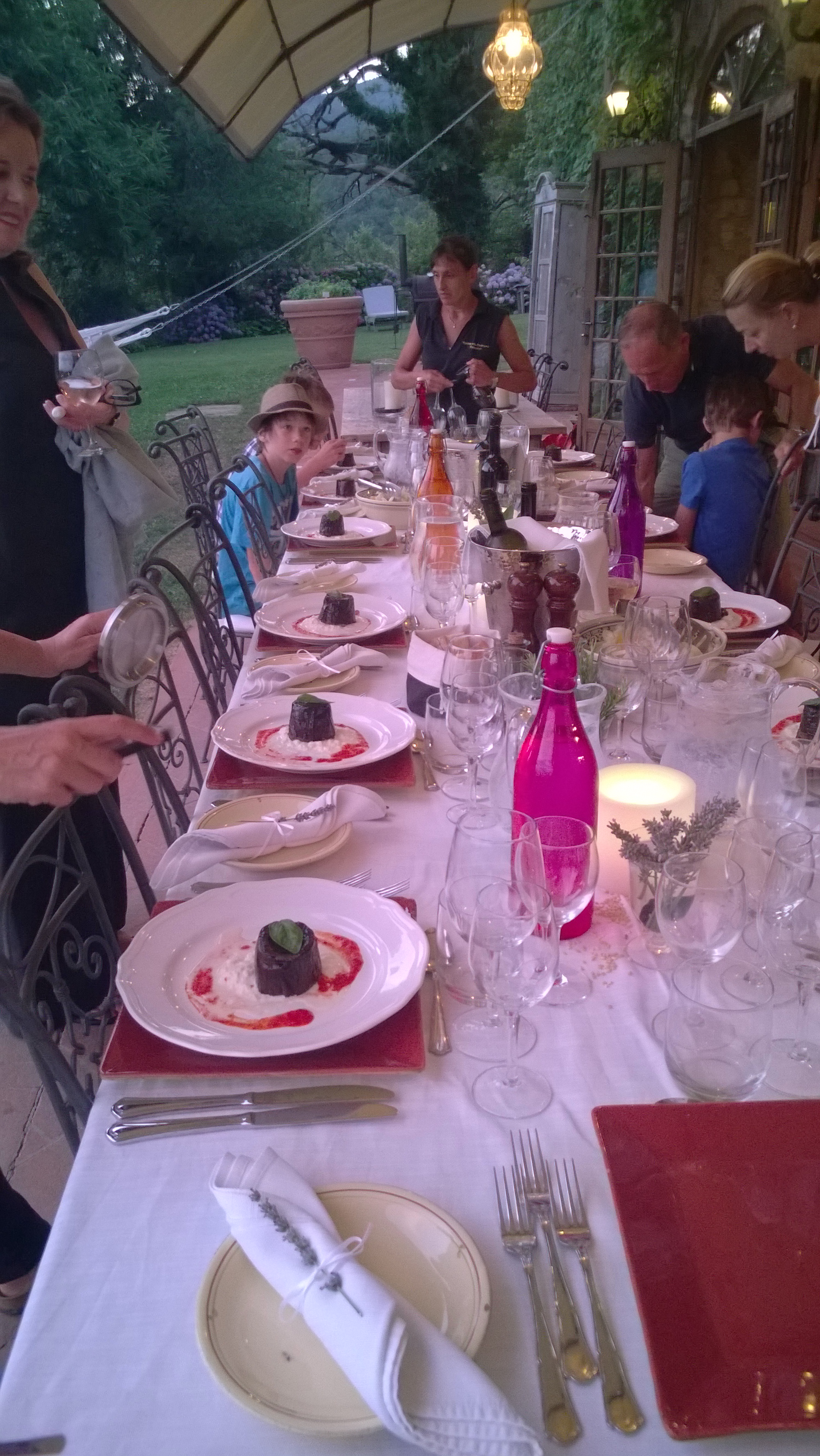
We will incorporate Burrata cheese into tonight’s appetizer—an amazing eggplant soufflé.
© Copyright 2012-2026. Lisa Scattaregia. All rights reserved.


 Postcards from the road not taken
You must be logged in to post a comment.